This post contains affiliate links, which means the website may earn a small commission at no extra cost to you if you make a purchase through them. The HerHealth101 team only recommends products that align with our mission to support women’s health, and is not a reflection of any specific author. Your support helps keep this site growing. Thank you!
Getting an intrauterine device (IUD) is one of those topics that comes with a lot of noise. If you search for it online, you will run into a wild mix of horror stories about the pain and glowing reviews from women who say it changed their lives. Let’s cut through the noise and talk about exactly what an IUD is, how it works, what your choices are, and what the insertion procedure looks like step by step. We are also going to talk very honestly about pain management, because those concerns are very real, have been ignored for too long and you deserve to know your options.

What is an IUD?
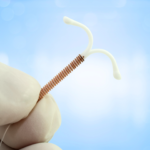
An intrauterine device, or IUD, is a small, T shaped piece of flexible plastic about the size of a quarter that sits inside your uterus. It is one of the most effective forms of reversible birth control available, boasting an effectiveness rate of over 99%. It works on a “set it and forget it” model, providing continuous protection for anywhere from three to ten years depending on the model you choose, while still being removable at any time if you decide you want to get pregnant.
What are the IUD Options?
There are two primary categories of IUDs available, and they prevent pregnancy in completely different ways.
The first category is the hormonal IUD, which includes brands like Mirena, Kyleena, Liletta, and Skyla. These devices slowly release a small, localized dose of progestin into your uterus. This hormone works by thickening your cervical mucus, creating a barrier that prevents sperm from reaching an egg, and thinning the lining of your uterus. A major pro of hormonal options is that they usually make your periods much lighter, shorter, and significantly less painful. Many women stop bleeding entirely after a few months. The con is that some women experience temporary hormonal side effects like irregular spotting, breast tenderness, or mild mood fluctuations during the first few months as their body adjusts.
The second category is the non-hormonal copper IUD, known as ParaGard. This option uses no hormones at all. Instead, the plastic device is wrapped in a tiny bit of copper. Copper acts as a natural spermicide, creating an inflammatory environment that is toxic to sperm, stopping them from swimming or fertilizing an egg. The biggest pro here is longevity, as it lasts up to ten years, and it is a perfect choice for anyone who cannot or does not want to use hormonal birth control. The primary con is that copper can make your periods heavier, longer, and more crampy, particularly during the first six months.
Some specifics about each IUD:
- Mirena: Approved for up to 8 years, it contains 52mg of levonorgestrel (a type of progestin), which slowly tapers down over the years. It is highly effective at minimizing or entirely stopping heavy periods, but is one of the larger devices on the market measuring 32mm by 32mm.
- Liletta: Very similar to Mirena, is also approved for up to 8 years, contains 52mg of levonorgestrel and is 32mm in size. Clinically performs almost identically to Mirena and chosen based on availability or insurance preferences.
- Kyleena: Approved for up to 5 years, contains 19.5mg of levonorgestrel, and is a smaller lower profile device measuring 28mm by 30mm, with a narrower insertion tube than the Mirena and Liletta.
- Skyla: Approved for up to 3 years, contains 13.5mg of levonorgestrel, which delivers the lowest daily dose of hormone for all the hormonal options. Similar size dimensions as the Kyleena at 28mm by 30mm.
- ParaGard (“The Copper IUD”): Approved for up to 10 years (and often effective even longer). Is 100% hormone free. Is the largest of the IUD options measuring 32mm by 36mm.
Because of how an IUD is designed to work, the uterus needs to be a standard shape in order to hold the device securely, so women who have structural abnormalities, such as a bicornuate (heart-shaped) uterus, or large uterine fibroids that bulge into the uterine cavity may not be an ideal candidate for an IUD. Additionally, anyone with unexplained, abnormal vaginal bleeding should have that diagnosed before placement to rule out underlying issues. And an IUD should never be placed during an active pelvic infection.

Hormonal IUDs vs Risk of Cancers
One of the biggest concerns women have is whether hormonal IUDs increase the risk of breast cancer. While hormonal IUDs are strictly contraindicated for anyone with a history of breast cancer or other progesterone-sensitive malignancies, the increase in risk for a young healthy woman is exceedingly small. In fact, because the hormone in an IUD is released directly into the uterine lining, the amount that enters your bloodstream is actually just a fraction of what you would absorb from a standard birth control pill. So for the vast majority of women, this minimal systemic exposure is considered safe, but anyone with a personal or strong family history of breast cancer should have a thorough evaluation with their oncologist or gynecologist before starting hormonal birth control.
While the conversation around breast cancer requires careful individual evaluation, the data on gynecological cancers is overwhelmingly positive! Both hormonal and copper IUDs offer robust protection against endometrial cancer and cervical cancer.
What to Expect at Your IUD Insertion Appointment
Knowing what to expect during the actual procedure can take away a lot of the anxiety. The insertion itself takes less than five minutes, though your appointment will be longer for prep and paperwork.
First, you will lie on the exam table with your feet in the stirrups, just like a routine Pap smear. Your doctor will insert a speculum into your vagina to widen the walls and clearly view your cervix. Next, they will clean your cervix and vagina with an antiseptic solution to prevent infection.

The doctor will then use a specialized instrument called a tenaculum to hold your cervix steady. This part can cause a sharp pinch. After that, they insert a thin rod called a uterine sound through your cervix into the uterus to measure the depth and direction of your uterine cavity. This ensures the IUD is placed perfectly. You will likely feel a deep, intense cramp during this step.
Finally, the doctor slides the IUD through the cervix using a narrow applicator tube. Once inside, the T shape arms open up, the tube is withdrawn, and the doctor clips the plastic strings, leaving about an inch hanging out of your cervix so you can check that it is in place (and for removal later).
How Much Will It Hurt?
Let’s talk about the pain. For a long time, the standard medical advice was to take an ibuprofen before the appointment and expect a little discomfort. This lead to the outcry (and frustrating dismissal) of countless women who found themselves enduring a level of discomfort that far exceeded what they were lead to expect. We know better now, and the medical community is actively shifting to provide better pain management options for women. However, the level of pain varies wildly. Because the device is inserted through the cervical opening, women who have given birth vaginally may find it feels like a mild cramp, while women who haven’t can find the cramping quite intense.

There are also specific anatomical circumstances that can affect how the procedure feels. For example, if you have a very narrow or tight cervical canal, sometimes called cervical stenosis, or have had prior cervical procedures done, such as a LEEP or cone biopsy, it can leave behind rigid scar tissue that does not want to stretch. If the physician is unable to pass the standard applicator tube through the opening into the uterus, manual dilation using a special set of rod shaped instruments may be necessary to gradually stretch the opening until it is wide enough to pass the IUD applicator. However, the cervix is packed with nerve endings that respond directly to stretch and pressure, so this can trigger not only a deep cramping reflex, but can also cause a temporary vagal response, which is a wave of dizziness, nausea or breaking out in a sweat as your nervous system reacts to the pressure.
Why You Should Ask About Pain Management
You have options, and you should absolutely advocate for yourself before your appointment. You can ask your doctor for a prescription for misoprostol, a medication taken beforehand that helps soften and dilate the cervix. You can also request a prescription strength NSAID to take an hour prior. For localized pain relief, many clinics can apply a topical lidocaine gel to the cervix or perform a paracervical block, which involves injecting a local anesthetic into the tissues around the cervix to numb the area. When you schedule your appointment, ask directly what pain management options your provider offers. Especially if you have never had a vaginal delivery or have been told by a doctor in the past that you have a tight cervix. This is a scenario where standard ibuprofen is not going to cut it.

Is an IUD Right For You?
Ultimately, an IUD is an incredible option for most women, offering a level of freedom that standard birth control options simply cannot touch. There is an undeniable relief in stepping away from the daily anxiety of remembering a pill, and because the hormones are localized rather than systemic, the stubborn weight gain often blamed on traditional birth control is highly unlikely. Instead, you get a powerful medical tool that drastically reduces your risk of endometrial and cervical cancers, alongside the very real possibility of seeing your monthly period vanish completely.
However, getting to that seamless, worry-free place requires a thoughtful, in-depth consultation with your doctor first. You need to map out your specific medical history to ensure you don’t have hidden risk factors, anatomical issues, and also to evaluate your pain management plan. You should never feel pressured to just tough it out. Your physical comfort and emotional peace of mind during the procedure should be just as much of a priority as the long-term protection the device provides.