Skip to content
This post contains affiliate links, which means the website may earn a small commission at no extra cost to you if you make a purchase through them. The HerHealth101 team only recommends products that align with our mission to support women’s health, and is not a reflection of any specific author. Your support helps keep this site growing. Thank you!
NAD+ therapy is the latest miracle product and it promises everything from mental clarity, to energy and the fountain of youth! Because it is blowing up in the wellness world, I want to strip away the marketing fluff and look at the actual science of how it works and what is happening inside your cells, because the reality is both fascinating and a little more nuanced than the advertisements suggest.
What is NAD+?
To understand why people are lining up to pay hundreds of dollars to get hooked to an IV drip, we have to look at what NAD+ actually is. Nicotinamide adenine dinucleotide is a vital coenzyme found in every single live cell in your body. Its primary job is to assist your mitochondria, which are the powerhouses of your cells, in converting the food you eat into adenosine triphosphate, or ATP. ATP is the literal energy currency your body uses to do every bodily function.
But NAD+ does not just manage energy. It also plays a key role in regulating cellular health, turning off aging genes, and repairing damaged DNA. The biological catch is that our natural levels of NAD+ decline drastically as we get older. By the time we hit age fifty, our levels have often dropped by as much as half. This decline is a major reason why we start experiencing the classic signs of biological aging, like sluggish metabolism, slower recovery times, and that frustrating, persistent mental fog.

How do we get NAD+ naturally?
Normally, we ingest NAD+ precursors such as Vitamin B3, and certain amino acids such as tryptophan, which then creates NAD+ in the body. And then once the NAD+ molecule is used and broken up, the body is incredibly efficient in recycling the byproduct nicotinamide (Nam) back into fresh NAD+. However, these pathways rely heavily on a balanced diet rich in proteins and B-complex, and as we age, the enzymes that drive these production lines to create NAD+ slow down. Which is exactly why the wellness industry has come up with ways to try and boost the supply.
Popular NAD+ therapy options:
There are currently several different delivery methods for external NAD+.
The most famous method is the intravenous drip, which sends pure NAD+ directly into your bloodstream. The major pro here is absorption. By bypassing your digestive system entirely, it offers near 100% bioavailability, meaning your cells can access the molecule immediately. Many people report an almost instant surge in mental clarity and physical stamina that can last anywhere from a few days to two weeks. However, the costs are significant, not just in price, but in time. Aside from the high cost, which can run hundreds of dollars per session, sitting for an NAD+ drip is not a relaxing spa experience. When infused too quickly, it can cause uncomfortable side effects like intense chest pressure, nausea, intestinal cramping, and flushing. To avoid this, the drip has to run incredibly slow, meaning you will be sitting in a chair for three to four hours.
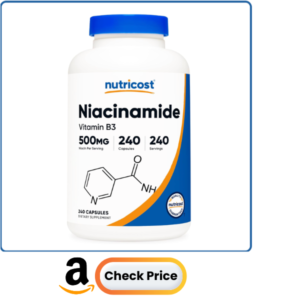
If you want to avoid veins entirely, oral supplements are the most common alternative. Interestingly, you do not usually take pure NAD+ orally because the stomach breaks it down too easily. Instead, you take oral precursors like Nicotinamide Riboside (NR) or Nicotinamide Mononucleotise (NMN), which are smaller building blocks that your body later converts into NAD+. The pros are obvious: it is convenient, completely painless, and much easier on the wallet. The con is that these supplements have a low bioavailability rate, usually around 5% to 15%, because they have to survive the harsh environment of your stomach and liver. It takes weeks or months of daily consistency to see a modest, steady rise in your systemic energy levels.
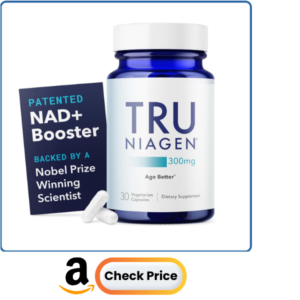
A middle-ground option that is gaining popularity is subcutaneous or intramuscular injections. These are quick shots given into the fat or muscle layer, similar to a B12 shot. They bypass the digestive tract for much better absorption than a pill, and they take only a few minutes instead of hours. The downside is that you have to give yourself frequent injections, and they can cause a brief, localized burning sensation at the injection site.
NAD+ transdermal patches are the newest trend hitting the market. In theory, these patches act like a slow-release wellness sticker, bypassing your digestive system to deliver a steady stream of the molecule through your skin over several hours. The major pro is absolute convenience. You get a needle-free, continuous dose without the time commitment or the uncomfortable side effects like chest tightness that come with a rapid IV drip. However, the cons are a massive roadblock. High-tech patches are pricey because they require a built-in microcurrent battery (a process called iontophoresis) to physically force the large NAD+ molecule through your skin barrier. (Note: the skin can absorb molecules up to 500 Daltons in molecular weight, but the NAD+ molecule is 660, which is too large to pass on its own.) Meanwhile, the cheaper, passive “sticky patches” you see all over social media completely lack the scientific backing or physical horsepower to penetrate your skin at all. Until the clinical trials catch up with the marketing, these remain an expensive, experimental luxury compared to proven oral supplements.

So does NAD+ therapy actually work?
The honest answer depends on how you define success. If we look at the hard data, clinical data shows that augmenting your NAD+ levels definitely changes your internal biology. It successfully raises the concentration of the coenzyme in your blood, reduces inflammatory markers, and helps turn on those cellular repair pathways. When surveyed, people frequently report genuine improvements in chronic fatigue, better sleep quality, and sharper cognitive focus. However, the clinical research hasn’t shown that these results are significantly better than placebo.
However, it’s important to separate miracle claims from clinical promises. While animal studies show results like reversing vascular aging in mice, large-scale human trials have not yet proven that it can stop the aging process or prevent disease.
Furthermore, NAD+ therapy is not good for everyone. Since it fuels cellular activity, there is an abundance of caution in situations where we may not necessarily want to encourage cell growth, such as in cancer cases, or during certain pathogenic infections. And since high doses of NAD+ are processed through the liver and kidneys, any chronic conditions that affect those organs may worsen their function or create a toxic buildup of waste products in the blood. On a neurological level, NAD+ has a very stimulating effect on brain chemistry, which is the desired effect, however, in certain individuals who suffer from such as severe anxiety, bipolar manias or panic disorders, this sudden surge in neurologic energy can potentially trigger acute episodes.
If you are struggling with chronic burnout, recovering from a minor illness, or looking for an intensive edge in your cognitive performance, an initial series of IV drips or regular shots can provide a noticeable, tangible lift. But for the average healthy person looking for long-term vitality, spending thousands of dollars and several hours waiting on weekly IV drips might not be worth it.
You can often achieve an excellent, sustainable baseline simply by taking high-quality oral precursors daily, and pairing them with natural lifestyle habits that boost NAD+, like regular exercise, quality sleep and a balanced diet.
It is a powerful tool for cellular health, but it works best as a supportive baseline rather than a quick fix in a bag of saline.