 Skip to content
Why Female Heart Disease Is Totally Different

We all know the scene: a man suddenly clutches his chest, winces in excruciating pain, and collapses. Movies and medical dramas have reinforced this image for generations, leading millions of people to believe that heart disease looks, feels, and acts the exact same way in everyone. The reality, however, is strikingly different for women. Cardiovascular disease remains the leading cause of death for women worldwide, but because the field of cardiology was largely modeled around male anatomy and male presentation, when women experience heart issues, the warning signs, and even the onset of the disease can often be missed. Understanding these differences is an important step toward better self-advocacy, timely diagnosis, and saving lives.
Histamine Intolerance: Not just a food allergy

If you’ve ever had some aged cheese, avocado, or a glass of red wine, only to find yourself dealing with a sudden onset of flushing, a racing heart, nasal congestion, or unexplained digestive trouble, you might be dealing with histamine intolerance. It can present with a baffling cluster of symptoms, where lab work can return completely normal and so many women are simply told that they are just experiencing a strange food allergy. But histamine intolerance is not an classic allergy at all! It is a mismatch between how much histamine enters your body and how quickly your system can break it down.
Botox vs Dysport: Injectable Wrinkle Relaxers

When it comes to injectable wrinkle relaxers, Botox has become the household name for smoothing dynamic facial lines. Now, there is a new option that is gaining popularity as an equally powerful, but softer-focused alternative, Dysport. However, there are key differences in their molecular structure, spreading behavior, and dosing which might make one better for your particular goals and aesthetic.
Mammograms: The Breast Cancer Screening Tool

Mammograms are special x-ray pictures of the breast tissue designed to spot tiny changes before you or your doctor could ever feel them. A routine mammogram is easily one of the most powerful tools we have in preventative health as a breast cancer screening tool and has helped reduce breast cancer death rates by over 40 percent over the past few decades.
What is Postural Orthostatic Tachycardia Syndrome (POTS)?

If you have ever felt your heart race out of nowhere, experienced sudden dizziness upon standing, or battled relentless brain fog that makes simple daily tasks feel overwhelming, you are far from alone. These experiences are the hallmark features of a conditions known as Postural Orthostatic Tachycardia Syndrome, or POTS. Despite affecting an estimated one to three million Americans, POTS remains widely misunderstood and frequently underdiagnosed, and women often spend months or even years bouncing between specialists trying to get answers. Let’s break down what is actually happening inside the body with POTS, why it disproportionately affects women, and how you can work with your healthcare provider to find real relief.
Real Ways to Save Money on Prescription Medications

After finally getting a diagnosis and the prescription that could be the answer to your problems, many people are still caught off guard by higher than expected costs at the pharmacy. Whether you are looking at the first dose of managing a chronic condition, picking up routine maintenance medications, or just trying to keep your family budget intact, there are several practical, completely legitimate ways to lower your prescription bills, and save money on medications. Read on to learn more about some of the biggest secrets that big pharma doesn’t want you to know about.
When Infertility is a Male Factor
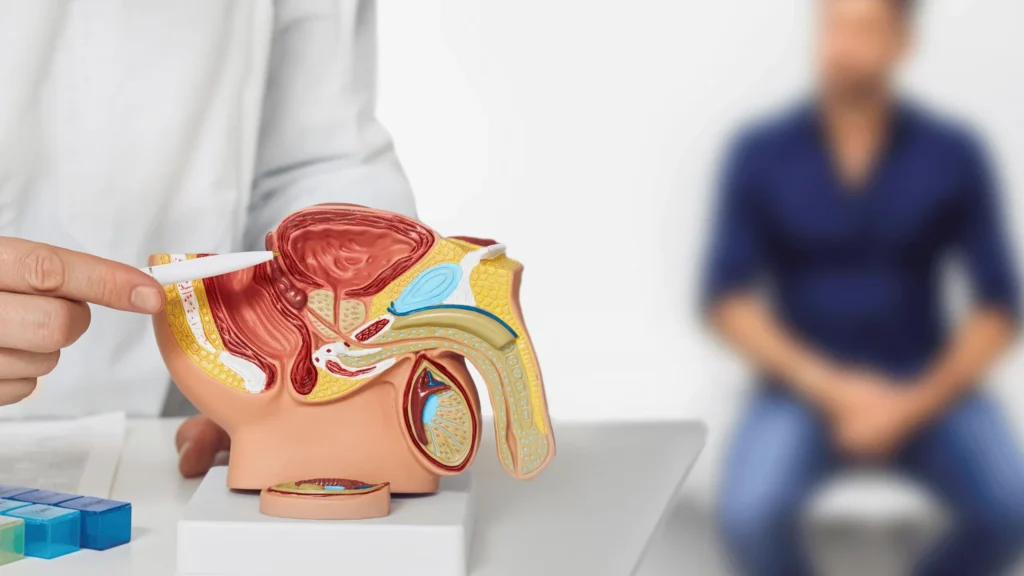
Finding out that your struggles to conceive are linked to a male factor can bring a complex mix of emotions into a relationship. While women are often the ones tracking cycles and taking the lead on initial doctor appointments, receiving this news can leave men carrying a silent, unspoken anxiety about their virility. The technicalities of a semen analysis can feel overwhelming, and the word “infertility” can cause undue panic. So let’s talk about exactly how we evaluate sperm, what the potential root causes are, and the highly effective treatments that can help you move forward together.
How much protein do you really need?
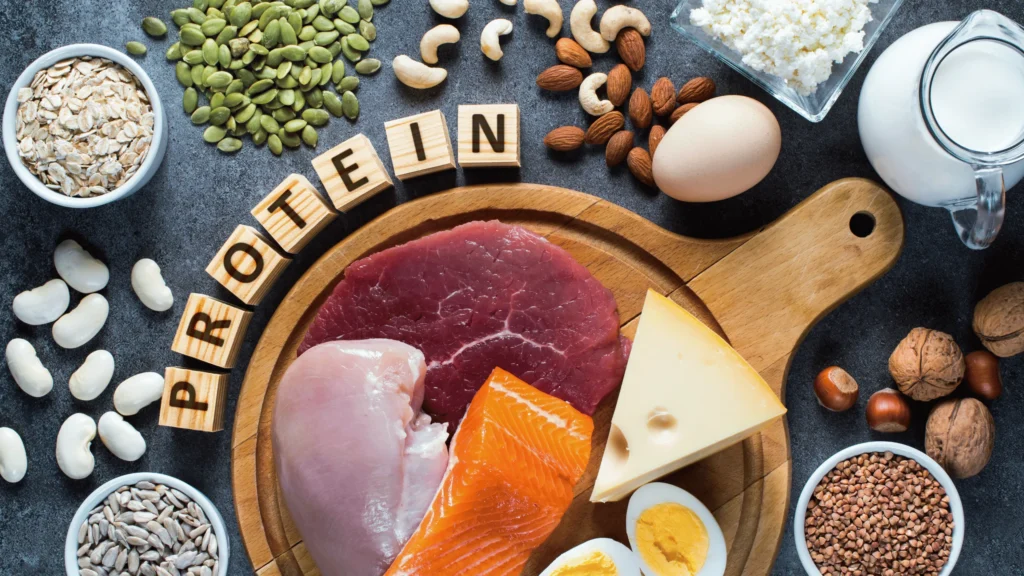
Protein gets a lot of hype in the wellness world. Between protein bars, fortified drinks, and social media trends praising high protein intake, it is easy to feel confused about how much protein you actually need. Is the standard daily recommendation enough? Protein needs are not one-size-fits-all. What your body requires depends heavily on your age, biological sex, life stage, and daily physical activity level.
Cycle Syncing Your Workouts Myths

There is an interesting trend in the wellness space right now… Cycle Syncing, the practice of adjusting your diet, exercise routine, and daily habits to match the four phases of your menstrual cycle. But when a well intentioned concept turns into a rigid set of rules that makes you feel anxious about missing a workout or doing the wrong kind of exercise it is time to look at what the science actually says.
It’s About Time We Talked About Postpartum Depression

Postpartum depression is one of the most common complications of childbearing, affecting nearly one in five new mothers, but there is still a stigma surrounding it which has discouraged open conversation to devastating effect. Society might expect that women should embrace the transition into motherhood, but the reality for many mothers is that it can feel like an inexplicable hollow ache or resentful detachment, leading to persistent anxiety or intrusive thoughts. Postpartum depression is a genuine, biologically driven medical condition, and it does not mean you are broken, you are not a bad mother, and you are certainly not alone.
