Skip to content
This post contains affiliate links, which means the website may earn a small commission at no extra cost to you if you make a purchase through them. The HerHealth101 team only recommends products that align with our mission to support women’s health, and is not a reflection of any specific author. Your support helps keep this site growing. Thank you!
We tend to think of our bones as these solid, permanent structures, but the reality is that your skeleton is a dynamic, living, constantly changing organ. Right now, as you sit here reading this, your body is actively breaking down tiny bits of old bone and replacing it with brand new tissue. It is a beautiful, delicate dance that happens entirely behind the scenes.
But as we blow out more candles on our birthday cakes, that dance begins to shift. The breakdown starts happening just a little bit faster than the rebuilding. Over time, this imbalance leads to weakened bones having less density and mass. This condition is called osteoporosis, which literally translates to “porous bones.”
Osteoporosis is often called a silent disease because you cannot feel your bones getting weaker. There are no early warning signs, no throbbing aches to tell you that your bone density is slipping away. For far too many women, the very first symptom is a fracture that happens from something as simple as a minor trip, a sudden twist or a clumsy bump into something solid. This is why preventing osteoporosis is so important, because by the time you realize it has happened, it is already too late.
Invest In Your Bone Strength When You Can
There is a common misconception that bone health is an “old age” issue. But scientifically, we build the vast majority of our peak bone mass by our late twenties. Think of your youth as the time you make massive deposits into your bone bank account. After thirty, you stop making deposits and enter the maintenance phase, where you try to live off the interest without draining the principal.
If you are in your twenties or thirties, the choices you make today are building the shield you will need forty years from now. If you are in your fifties, sixties, or beyond, your goal shifts to fiercely preserving every ounce of density you have, but it is never too late to prioritize bone health, whether through healthier lifestyle choices, or medications and supplements.
The Estrogen Connection: Why This Hits Women Hardest
While osteoporosis can affect anyone, it has a strong preference for women. In fact, about 80% of Americans with osteoporosis are female. To understand why, we have to look at our hormones, specifically estrogen.
Estrogen does a lot of heavy lifting in the female body, but one of its most critical, underappreciated roles is protecting our skeletons. It acts like a natural brake system on the cells that break down bone, called osteoclasts. When your estrogen levels are high and steady, your bone remodeling stays relatively balanced.
Then comes menopause. Whether it happens naturally or due to a surgical procedure, the sharp decline in estrogen drops that protective brake. In the first few years after menopause, women can lose up to 20% of their bone density. It is a rapid window of change that catches many of us off guard, especially because we still feel just as strong on the outside as we always have.
This is why hormone replacement therapy (HRT) is absolutely worth a proactive conversation with your doctor. Clinical studies show that standard-dose HRT can reduce the risk of future fractures by up to 50%, making it one of the most effective, preventative tools available for women who are managing other troublesome menopausal symptoms at the same time.
Fueling the Matrix: Calcium and Vitamin D
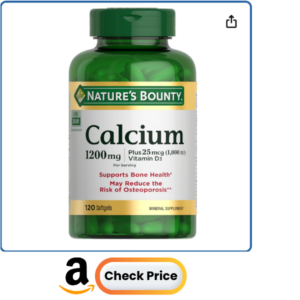
Your bones are primarily made of calcium, but your body cannot produce this mineral on its own. If you do not get enough calcium from your diet, your body will ruthlessly steal it from your bones to keep your heart and muscles functioning. Aim for around 1200 milligrams a day, from sources like leafy greens, almonds, sardines, and organic dairy if you tolerate it. Dietary absorption is most efficient, but supplements are perfectly okay if you struggle to meet your daily needs through food alone.
But calcium is useless without another key component: Vitamin D. Think of it as the key that allows your gut to actually absorb the calcium you eat. Many of us are chronically deficient in Vitamin D, especially if we spend our days indoors or live in less sunny climates. Getting your levels checked with a simple blood test is a fantastic first step.
The Necessity of Weight Bearing and Resistance Exercise
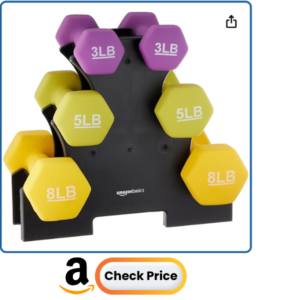
If you want your body to build stronger bone, you have to give it a reason to. Bones respond to stress by becoming denser and more resilient. This is why weight-bearing and resistance exercises are non-negotiable for longevity.
Walking, hiking, dancing, and lifting weights all force your body to work against gravity. When you lift a weight or pound the pavement, your muscles pull on your bones, triggering cellular signals that tell your body to lay down more minerals. If you have been avoiding the weight room because you worry about injury, consider this your invitation to start small. Even light resistance training a couple of times a week in your living room can make a profound difference.
Navigating the Diagnosis: The DEXA Scan
Because osteoporosis is silent, we have to use specialized technology to see through the surface. The gold standard for this is a dual-energy X-ray absorptiometry scan, commonly known as a DEXA scan.
It is a quick, completely painless, low-dose X-ray that measures the mineral density of your bones, usually at your hip and spine. The results are delivered as a “T-score,” which compares your bone density to that of a healthy young adult.
- A T-score of -1.0 or higher is considered normal.
- A score between -1.0 and -2.5 indicates osteopenia, which means your bones are weaker than normal, but not yet osteoporotic.
- A score of -2.5 or lower means you have crossed the threshold into osteoporosis.
Most medical guidelines recommend a baseline DEXA scan for women starting at age sixty-five, with repeat scans every 2 to 10 years pending findings and risk factors. If you have specific risk factors like a family history of fractures, a very petite frame, or a history of using medications like steroids, do not hesitate to advocate for yourself and ask your healthcare provider if an early scan makes sense for your personal timeline.
Managing Advanced Bone Loss
If you do receive a diagnosis of osteopenia or osteoporosis, please take a deep breath. It is a data point, not a destiny.
The first step is to evaluate lifestyle for any changes you can make to preserve the bone density you still have. It is never too late to start incorporating more exercise and if you drink excess alcohol or smoke tobacco, this is another great reason to stop as that contributes to bone loss. However, for more advanced stages of bone loss, pharmaceutical interventions may be necessary.
Modern medicine has also come an incredibly long way in how we treat bone loss beyond simple calcium supplements. There are two main categories of prescriptions that act directly on the bone remodeling cycle. The first and most common class consists of antiresorptive medications, such as bisphosphonates (like alendronate) or denosumab injections. These work by putting the brakes on those osteoclasts that break down old bone tissue, effectively preserving your existing bone density.
The second, newer class consists of anabolic agents (like teriparatide or romosozumab), which actually turn on the bone-building cells, known as osteoblasts, to actively stimulate the growth of brand-new bone matrix.
A Holistic Approach
The right treatment path is deeply personal and depends on your specific medical history, your fracture risk, and your lifestyle.
Your skeleton has supported you through every single step, dance move, and leap of faith you have ever taken. It is an incredibly resilient system, completely capable of adapting and staying strong if we give it the right tools. Pay attention to your bones today, and they will keep you standing tall for all the beautiful chapters still ahead.