Skip to content
This post contains affiliate links, which means the website may earn a small commission at no extra cost to you if you make a purchase through them. The HerHealth101 team only recommends products that align with our mission to support women’s health, and is not a reflection of any specific author. Your support helps keep this site growing. Thank you!
Everyone knows that menopause is something that all women will go through later in life, but what is it exactly and why does it happen?
What is Menopause?
Menopause is a natural biological process that marks the end of a woman’s reproductive years. It is a life stage characterized by the permanent end of menstrual cycles and the decline in reproductive hormones, such as estrogen and testosterone. Menopause typically occurs in the late 40s or early 50s, but the age of onset can vary from woman to woman.
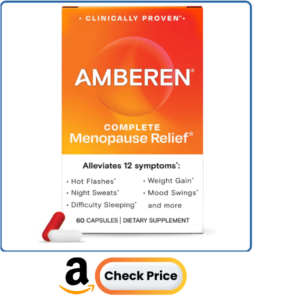
Stages of Menopause
There are also key phases that should be defined, as the term ‘menopause’ is often incorrectly interchanged with the periods before and after, each of which have their own characteristics.
- Perimenopause is the phase leading into menopause itself. This phase usually starts in the mid 40s, but can occur earlier or later in life and can last from several months to several years. During this phase, hormone levels begin to fluctuate, which could lead to irregular menstrual cycles, and various other physical, mental and cognitive symptoms.
- Menopause is officially defined as the 12 consecutive months, or 1 year, when a woman no longer experiences a menstrual period. The average age of natural menopause is around 51, but it can occur earlier or later.
- Postmenopause refers to life after menopause. Now, a woman has not had a menstrual cycle in a year, and will continue to no longer have them. Some women will have their menopausal symptoms, such as hot flashes and night sweats subside, while for others, they will continue to persist. Additionally, changes associated with hormonal decline, such as osteoporosis, cardiovascular health and memory issues, will continue to become more prominent.
-

Cooling Silky Bamboo Sheets
What Happens During Menopause?
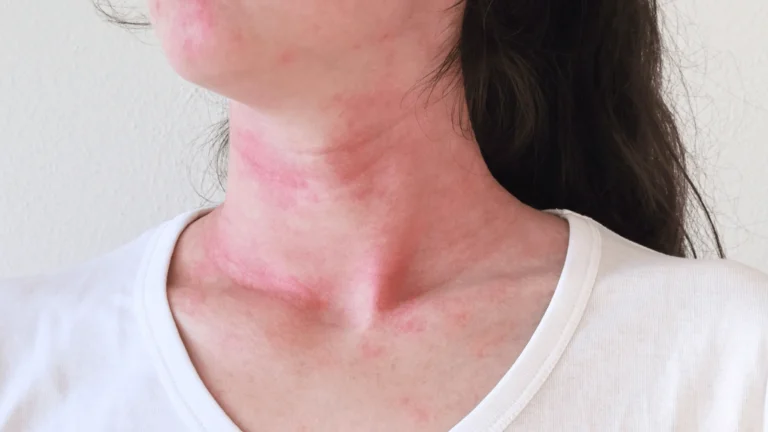
The hallmark of this life stage transition is the decrease in estrogen levels which can cause numerous emotional, physical and cognitive changes. The most common sign that menopause may be approaching include changes in the menstrual cycle, including irregular periods and the eventual cessation. Many women also report sudden and intense feelings of heat, also known as ‘hot flashes’, often accompanied by sweating, which can disrupt sleep and cause night sweats. Some of the mental and emotional effects can also include changes in mood, irritability and sleep. While some studies have shown an increase in depressive and anxiety symptoms in some women, as well as changes in memory and cognitive function often called “brain fog”, it’s important to recognize that every woman’s experience is different.
Physically, changes such as abdominal weight gain and body fat distribution may occur. The vaginal tissues tend to get thinner and become dryer which can lead to discomfort and increased risk of urinary tract infections. Estrogen has cardio-protective effects, and as levels decline, there may be impacts to cardiovascular health. Decreased estrogen levels can also affect bone density, leading to an increased risk of osteoporosis.

What Helps Menopause Symptoms?
To counteract these effects, maintaining a healthy lifestyle, including regular exercise, a balanced diet and stress management, is essential. Adequate calcium and vitamin D intake, along with weight-bearing exercises, are essential for bone health. And many women benefit from supportive therapies like yoga and meditation as coping strategies, as well as open communication with healthcare providers, friends and family to provide emotional and social support while helping navigate this life-changing transition.
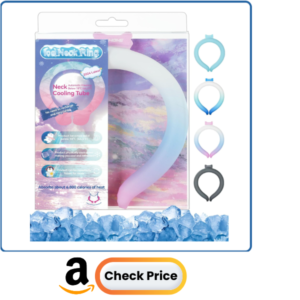
The ultimate treatment of menopause is to give back what has been lost: hormones. Mainly estrogen, and if a woman still has their uterus, progesterone is also given at the same time, as well as testosterone. For the longest time, the “smallest amount for the shortest period” was the norm, but new studies show that this is an antiquated practice. It is now shown to be safe for woman to take hormones as long as she wants to remain young and healthy. Hormone replacement therapy (HRT) not only helps manage the symptoms but can also help prevent all other associated risks of aging.
Let’s Talk More about Hormone Replacement Therapy
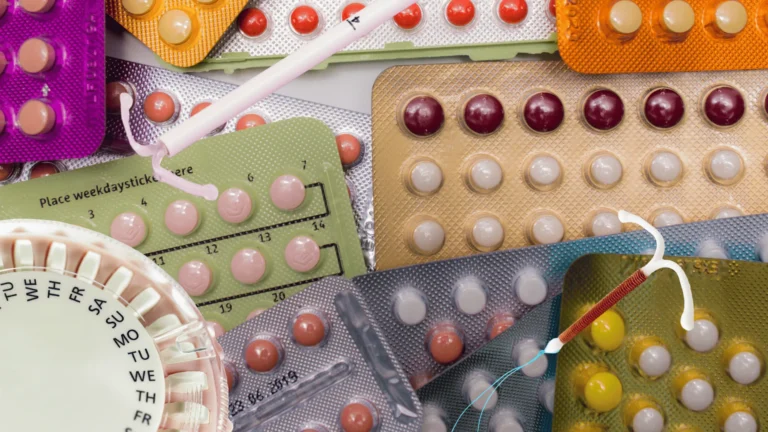
There are two main types of HRT: systemic HRT, which has an effect on the entire body and helps to maintain general health and aging, and local HRT, often applied to specific areas as a cream.
Estrogen can be given through the skin via patches, gels or creams, or can be given orally. Progesterone is only given orally and testosterone is applied on the skin. You may have heard that despite the many health benefits against aging, when estrogen is taken in oral form, it can increase the risk of blood clots and bad cholesterol. However, when administered locally through the skin with a cream, estrogen bypasses the liver and is not associated with these risks. While local hormone therapy does not give the same benefits as it does systemically, it can help to protect the vaginal lining, maintain normal lubrication, prevent vaginal atrophy or “shrinkage”, decrease urinary urgency, and most importantly, reduce the risk of urinary tract infections (UTIs) which is extremely prevalent among post-menopausal women. In addition, the vaginal vestibule (opening of the vagina) is very sensitive to testosterone deficiency. Testosterone is not only found in men, and is also an important hormone in women responsible for energy, sex drive, and believe it or not, actually protects women from developing breast cancer. Levels begin to decline in the mid-30s and that’s why it’s important to supplement with testosterone as well.
When can you start systemic HRT? You can start it when you start getting your first symptoms during perimenopause, even if you still continue to have periods. It is important to not wait longer than 10 years after your periods stop to start HRT, because once the changes from hormonal depravation have happened, reintroduction of the hormones can carry more risks than benefits.

My Last Thoughts
Menopause is a unique experience for each woman, and the impact and duration of symptoms can vary widely. While menopause is a natural part of aging, there is no reason to suffer through uncomfortable symptoms and idly allow it to negatively affect our cardiovascular and bone health. Women are encouraged to seek support from healthcare providers, friends, and family to navigate this life transition successfully. Regular health check-ups, healthy lifestyle choices, and staying informed about menopause-related changes can all help contribute to a smoother and more pleasant experience.

About the Author:

Dr. Alexandra Dubinskaya is a board certified and fellowship trained urogynecologist and pelvic reconstructive surgeon. She is a sexual medicine specialist and the founder of the Los Angeles Institute of Pelvic and Sexual Health. Dr. Dubinskaya is also a Menopause Society certified provider. In her spare time, she is an educational content creator for women’s health on YouTube and social media as @DrUroGyn.