This post contains affiliate links, which means the website may earn a small commission at no extra cost to you if you make a purchase through them. The HerHealth101 team only recommends products that align with our mission to support women’s health, and is not a reflection of any specific author. Your support helps keep this site growing. Thank you!
They arrive without warning, a sudden wave of heat spreading across your chest, up your neck, and flooding your face, often followed by sweating and a flushing that can leave you yearning for a fan in the middle of a meeting or stripping off covers at 3 a.m. Hot flashes and night sweats are among the most common and disruptive symptoms of menopause, affecting up to 75 percent of women.
While hormone replacement therapy (HRT) remains the most effective medical treatment for these symptoms, not every woman is a candidate, and many prefer to explore natural approaches first. The good news is that there are several evidence-informed lifestyle strategies can meaningfully reduce the frequency and severity of hot flashes and night sweats.
Here are seven of the most effective ones.

1. Identify and Avoid Your Triggers
Hot flashes are notoriously unpredictable, but for many women, certain things reliably set them off. Common triggers include:
- Spicy food
- Alcohol, especially red wine
- Caffeine
- Hot drinks
- Smoking (not that you should be doing this anyways)
- Stress and anxiety
- Tight or synthetic clothing
It can help to start keeping a simple diary, noting the time, what you were doing, eating, or drinking when a flash hits. After a few weeks, patterns often emerge. Eliminating or reducing your personal triggers can make a significant difference.
2. Dress in Layers and Choose Natural Fabrics
This sounds almost too simple, but strategic dressing is genuinely effective. Wearing lightweight, breathable fabrics such as linen, cotton, and moisture-wicking blends, allows heat to escape from your body more easily.
Layering is your best friend. When a hot flash hits, you can quickly shed a layer rather than suffering through it.

3. Adopt a Cooling Sleep Strategy
Night sweats disrupt sleep, and poor sleep amplifies every other menopause symptom. Protecting your sleep is one of the highest-leverage things you can do during this transition.
Keep your bedroom cool, ideally between 60 and 67 degrees Fahrenheit (15 and 19 degrees Celsius). Use a fan or air conditioning. Consider sleeping with a glass of cold water nearby so you can cool down quickly when needed.
Invest in moisture-wicking sleepwear and cotton or bamboo sheets. Some women also find a cooling pillow, a bedside fan, or a cooling mattress pad helpful for managing night sweats.
Avoid alcohol within three hours of bedtime, as it can trigger both hot flashes and disrupt sleep architecture. A consistent sleep schedule, same bedtime and wake time, also helps regulate your body’s temperature rhythms.
4. Move Your Body Regularly
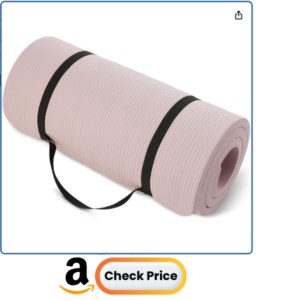
Regular exercise won’t eliminate hot flashes, but research suggests it can reduce their frequency and improve your ability to tolerate them. Physical activity also improves sleep quality, reduces anxiety, supports bone density, and boosts overall mood, all of which matter enormously during menopause.
Aim for at least 150 minutes of moderate-intensity exercise per week. Walking, swimming, cycling, yoga, and strength training are all excellent options. Many women find that yoga, in particular, is especially beneficial because it combines physical movement with breathing techniques and stress reduction.
One caveat: overly vigorous exercise can actually trigger hot flashes in some women. If that’s the case for you, opt for moderate-intensity workouts and exercise in cool environments.
5. Practice Paced Breathing and Relaxation Techniques
Stress is one of the most reliable hot flash triggers, and stress management is one of the most underutilized tools for managing them. When we’re anxious, our body temperature regulation becomes more volatile.
Paced breathing, slow, deep, rhythmic breathing, has been shown in clinical studies to reduce the intensity of hot flashes. When you feel one coming on, try breathing in slowly for four counts, holding for four, and exhaling for six.
Mindfulness meditation, progressive muscle relaxation, and cognitive behavioral therapy (CBT) have all demonstrated measurable reductions in hot flash frequency and distress in research studies. Even ten minutes of daily mindfulness practice can make a difference over time.
6. Explore Dietary Changes
What you eat can influence your hormone levels and body temperature regulation. Several dietary adjustments have shown promise in reducing menopausal symptoms:
Phytoestrogens are plant compounds that mimic estrogen in the body. Foods rich in phytoestrogens, including soy products (tofu, edamame, miso), flaxseeds, chickpeas, and lentils, may help buffer the drop in estrogen during menopause. Research on their effectiveness is mixed, but many women report benefits.
A Mediterranean-style diet, rich in vegetables, fruits, whole grains, lean protein, and healthy fats, has been associated with fewer menopausal symptoms and better overall health outcomes.
Stay well hydrated. Dehydration can make hot flashes feel more intense. Aim for 8 to 10 glasses of water per day, and reduce alcohol and caffeine, which can act as triggers.

7. Consider Evidence-Backed Supplements, With Caution
Several supplements have been studied for their effects on hot flashes, with varying levels of evidence. If you’re considering these, it’s important to discuss them with your healthcare provider first, as some can interact with medications or have side effects.
Magnesium has shown some benefit for reducing both hot flash frequency and improving sleep quality with a generally favorable safety profile.
Evening primrose oil, red clover, and St. John’s Wort have also been explored, though evidence is more limited and risks must be carefully considered.
Remember to do your research into the ingredients to evaluate safety, efficacy and always choose third-party tested supplements and purchase from reputable brands. The supplement industry is not as tightly regulated as pharmaceuticals.
When to Talk to Your Doctor
If your hot flashes and night sweats are severely disrupting your sleep, your work, or your daily life, please speak with your doctor. Hormone replacement therapy, non-hormonal prescription medications, and other medical interventions can offer significant relief when lifestyle strategies aren’t enough.
You don’t have to simply endure this. Effective help is available.
Menopause is a transition, not a malfunction. With the right tools, it’s entirely possible to move through this phase of life feeling capable, comfortable, and in control.
Managing hot flashes and night sweats naturally is absolutely possible for many women, and it starts with understanding your triggers, making thoughtful lifestyle adjustments, and being patient with the process. Your body is doing something significant. So before you spend money on products designed to help manage the heat, try some of these tips first!