This post contains affiliate links, which means the website may earn a small commission at no extra cost to you if you make a purchase through them. The HerHealth101 team only recommends products that align with our mission to support women’s health, and is not a reflection of any specific author. Your support helps keep this site growing. Thank you!
Recovery from surgery is not just the healing of an incision. It is a full body process where healing happens not only on the skin, but with the internal organs that may not be visible, as well as the emotional and mental processing and acceptance of their body during every stage of recovery. After every procedure, you will be advised on any specific diet or physical activity recommendations to ensure that your recovery goes smoothly and without complications.
However, for the modern woman, these limitations may be difficult or impractical due to unequal social expectations for domestic activities, especially if you’re already juggling returning to work or a full time career. And for women who may not have a partner or assistance from family or friends, this can pose additional challenges.
Here is a guide to help make your post-operative recovery as smooth as possible by prepping ahead of time, knowing what tasks to delegate or hire assistance for, and how to prioritize your time and energy.

Feeding the Family (or Just Yourself)
Following abdominal or pelvic surgery, the gastrointestinal (GI) tract often experiences a period of decreased motility, sometimes referred to as a “sluggish bowel.” This can be further affected by certain pain medications. And while we may say “listen to your body and start slow” recommending liquids, soft foods and easy to digest ingredients, we must acknowledge the social reality: in many households, the woman is the primary meal preparer for the family. Additionally, the labors of meal planning, from grocery shopping, to cooking, to cleaning also tends to fall on the woman.
When you are the one who usually feeds everyone else, “resting” can feel like a logistical impossibility. However, the physical strain of standing for long periods in a kitchen, lifting heavy pots, or leaning over a dishwasher can directly jeopardize your surgical site.
If you live with others, this is the time for a “household reset.” It’s time for family or housemates to understand that your inability to cook is not a choice, but a requirement for wound healing, so they will be expected to “step up”. You can still provide the “mental load” by making the list if you need to, but delegate the physical labor to others. If your partner or children are not proficient in the kitchen, this may be the month they learn, or opt for simple easy to prepare meals like sandwiches, instant box or frozen meals, that require minimal cleanup.

And some tips that will help your household, or make things easier on yourself if you live alone:
- Batch-and-Freeze: In the days or weeks leading up to your procedure, double your recipes and freeze meal-sized portions. This ensures that you have nutrient-dense meals ready on hand to be microwaved.
- Outsource the Logistics: Heavy lifting and strenuous activities will be limited for the first 4 to 6 weeks, so grocery shopping, which involves pushing a heavy cart and lifting bags into a vehicle, will be a no-go. If you do not have a partner to handle this, utilize delivery services. Have the delivery person place the bags directly on the kitchen counter to eliminate the need for you to bend down to the floor.
- Prep at the Table: If you must participate in meal prep, do so from a seated position. The dining table is an easy subsititute for prep space, or use a tall stool at the counter to avoid prolonged standing, which can increase pelvic floor pressure and abdominal swelling.
- Buy Pre-Prepped Ingredients: Utilize pre-cut vegetables, rotisserie chickens, and high-quality frozen options that reduce your time in the kitchen.
- Minimize Clean Up: Disposable plates and cutlery can be a game changer in the first couple weeks to avoid the repetitive motion and core engagement required to wash dishes and place them back in cabinets either manually or with a dishwasher.
Navigating Domestic Chores
One of the biggest reasons female patients return to the hospital for surgery-related complications is because they attempted to resume household management too early. We must address the social reality that women, regardless of their professional status, often carry the disproportional weight of domestic chores such as cleaning, laundry, and the logistical management of a home.
From a physiological standpoint, these activities are significantly more strenuous than they appear. Vacuuming, for example, requires repetitive torso rotation and core stabilization, while laundry involves lifting, reaching, and carrying. All of which place direct tension on abdominal fascia that is trying to knit itself back together. This is why we always stress to avoid any activity that increases intra-abdominal pressure for at least 4 to 6 weeks.
If you have assistance, delegate tasks that involve twisting or pushing, such as mopping, vacuuming or sweeping. These movements are notorious for “pulling” at incision sites that can lead to popped stitches or localized bleeding. Laundry tasks can be split with someone else loading the washer and drying and carrying the basket of clothes, and you can fold them while seated.

If help is limited or you live alone, here are some tips to make your home more recovery friendly:
- Waist High Access: Before your surgery, move your most-used items and cleaning supplies to waist-height. Avoid anything that requires you to reach high (putting stress on the upper abdomen) or bend low to the floor.
- Micro-Laundry: Don’t wait for a full load. Wash three or four items at a time so the weight remains under 5 pounds. Use a rolling cart to move items to the machine so you aren’t carrying them.
- “Clean Enough”: For the first month, prioritize what needs immediate attention, and what can wait. Focus only on high-touch surfaces like the bathroom and kitchen surfaces. Leave the deep cleaning for when your fascia has reached at least 70% of its original strength (typically around the 2-month mark). And if a more intensive cleaning is needed before then, considering hiring a house cleaning service to come once every week or two to help keep things under control.

And let’s not discount the mental load of administrative tasks. Even if you aren’t physically scrubbing a floor, the “cognitive labor” of budgeting, paying bills, and managing household schedules is exhausting during recovery. Plus, surgery can cause “brain fog” due to anesthesia and the body’s inflammatory response to trauma.
- Automate and Front-Load: In the week leading up to surgery, automate every bill possible. If you handle the family budgeting, prepay what you can so you aren’t squinting at a spreadsheet while on post-operative pain medication.
- The “Pillow Office”: Whether you need to do work from home or if you are managing household logistics, do so from a semi-reclined position with a pillow supporting your abdomen. This minimizes the strain on your core that occurs when sitting upright at a traditional desk for long periods.

Managing Childcare
This is often the most challenging aspect of recovery for women who serve as primary caregivers. You may be able to pause the demands of a cluttered household, but children will not wait. Even in households with supporting partners and family members, to a young child or newborn, there is no substitute for a mother’s attention.
If you have a newborn or small child, lifting them into a crib, high chair or car seat during the first month post-operatively can compromise the surgical repair. If you have assistance, allow the lifting to be another family member’s opportunity to bond with them and try to have a lap-only policy where you are able to provide comfort and nurture while seated. And if you are a solo parent, try to coordinate with friends or a nanny to at least help you handle the “heavy lifting” portions of the day, such as bath time.
If your child is mobile, that presents a different set of demands and the biggest risk becomes accidental impacts to your incision site from a running hug or jumping onto your lap while resting. Have a conversation with your children that your belly will be a “no-touch” or “ouchie” zone. A bright colored sash or a safety pillow while sitting may also serve as a visual reminder for children to avoid contact or be gentle.
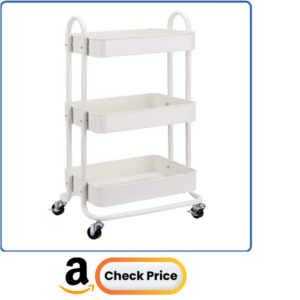
We’ve gone over some tips already that can come in handy for parenting duties too, such as placing frequently used items (such as diapers, bottles, medications, etc) on counter-level surfaces to avoid the need for bending or reaching, as well as doing laundry in small batches. Here are some more childcare specific tips that may help with parenting and even fostering independence in your children:
- Minimize Driving: Anyone with a child knows that a quick errand is anything but, and when recovering from a surgery, getting children in and out of car seats is strain that you don’t need to be putting on your body. Utilize delivery services to arrange for grocery and medications delivered to your door. If your child is of school age, reach out to other parents to coordinate car pooling or a bus route. And if you must drive, place a soft pillow under the lap belt to protect your incision site against hard braking or impact.
- Plan Outfits and Lunches: Having a week’s worth of outfits and pre-packed non-perishable lunches will reduce the morning stress and scramble of getting kids to school.
- Encourage Sitting Activities: You can still be present for your children without being physically active. Shift to activities like board games, reading together, or movie nights to satisfy their need for connection without stressing your body.
- Leverage Technology: This is the time to allow extra screen time. If an extra hour on a tablet keeps the household calm and you in a reclined position, it’s a net positive for your recovery.
- Teach Them Independence: This is also a great time to teach them how to pick up after themselves, put down their own backpacks, get dressed, or any other age appropriate activities.

The YOU Time You Need and Deserve
Women often face a unique psychological hurdle during recovery: the “guilt” of inactivity. But it is important to understand that this urge to feel “productive” is a social construct, not a medical one. It is a clinical fact that pushing through pain does not accelerate recovery. It hinders it. In fact, it can lead to post-operative pain, recurrence or the original issue or a herniation due to compromised healing of the abdominal wall.
Ultimately, the most “productive” thing a person can do in the weeks following surgery is to respect the biological pace of healing. For the modern woman, the most effective management of the home during this time is to delegate or defer whenever possible. Your health is worth a few weeks of dust, so that you can get back to super-mom capacity sooner, rather than dealing with the long term fall out of a compromised recovery.
About the Author:

Dr. Stephanie Joyce is a board certified and fellowship trained general surgeon, who specializes in trauma and critical care. She is known for her minimally invasive techniques and is a trailblazer in the research and application of robotics for emergency surgery.