Resistance Training After 35: Preserving Muscle, Bone Density, and Joint Health

Around age thirty-five, the physiology of our bodies undergo a subtle shift. Estrogen levels gradually begin to fluctuate, bringing changes to our muscle mass, bone density, metabolic rate, and joint health. Suddenly, resistance training becomes the most important part of a woman’s exercise routine for a variety of reasons.
What Actually Happens To Your Eyes When You Look At The Sun?

With all the excitement surrounding the upcoming total solar eclipse, let’s talk about why it is important to know how to enjoy it safely, and why you should never stare at the sun. Most of us grew up sternly warned to never directly look at the sun. We knew it was bad and could hurt your eyes, but few people ever explain the actual biology of what actually happens and how it affects your vision when you sneak a glance at a bright sky.
Pulmonary Arterial Hypertension

Pulmonary arterial hypertension, often shortened to PAH, is a complex, and progressive condition that affects the tiny blood vessels in your lungs causing them to narrow and thicken. PAH causes elevated pressure within the pulmonary arteries, the blood vessels that carry oxygen-depleted blood from your heart to your lungs to pick up fresh oxygen, which can lead to heart failure if left untreated. PAH is considered a rare disease, affecting roughly only 15 to 50 people per million worldwide. However, it predominantly affects women, being two to four times more common than in men.
Breastfeeding or Baby Formula: There’s no wrong choice

Few topics in early motherhood carry as much emotional weight, unsolicited advice, and overwhelming pressure as how you choose to feed your baby. From the moment you announce a pregnancy, it can seem like everyone has an opinion on whether nursing or bottle feeding is better. While the benefits of breast milk for infants have been extensively reported, there is a lack of acknowledgment on the mental and physical toll that exclusively breastfeeding can have on mothers. There is also a bias in the reporting of the benefits, and sometimes lifesaving necessities of formula. So let’s have a closer look at the pros and cons of both.
How Ablative Is Your CO2 Laser Facial?
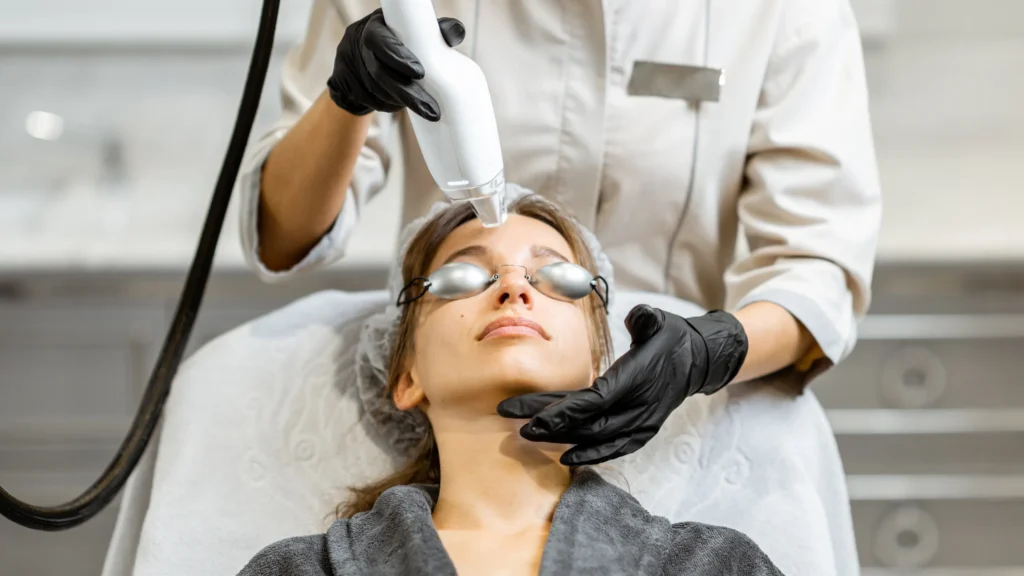
When you start looking into skin resurfacing, navigating the menu at a medspa can feel like learning a foreign language. You hear everyone talking about CO2 lasers as the gold standard for erasing years of sun damage, softening stubborn wrinkles, and smoothing out textured acne scars. But then you sit down for a consultation and get hit with names like CoolPeel, SmartXide, UltraPulse, or CO2RE. So, what is the actual difference between these treatments, and how do you know which one your skin needs?
Infertility: When Trying to Conceive Naturally Isn’t Working

When you start the journey of trying to grow your family, you expect it to be an exciting, intimate chapter. But for many couples, months of negative pregnancy tests can turn that excitement into a heavy, isolating quiet. If trying to conceive naturally isn’t working and you are sitting in that space right now, please know that you are not alone, and infertility does not mean your dream of having a baby is out of reach.
New Research: Fast Walking Reduces Risk of Cognitive Decline

Researchers discovered that adults in their 80s who maintain an fast walking pace cut their risk of cognitive decline by a staggering 50%. The study looked at data from nearly 4,000 older adults, tracking their walking speeds and mental clarity over several years. The top 9% of the fastest walkers in the group were given a wonderful new nickname by the research team: “Super Movers.”
Proactive Full Body MRI Scans: Should You Get One?
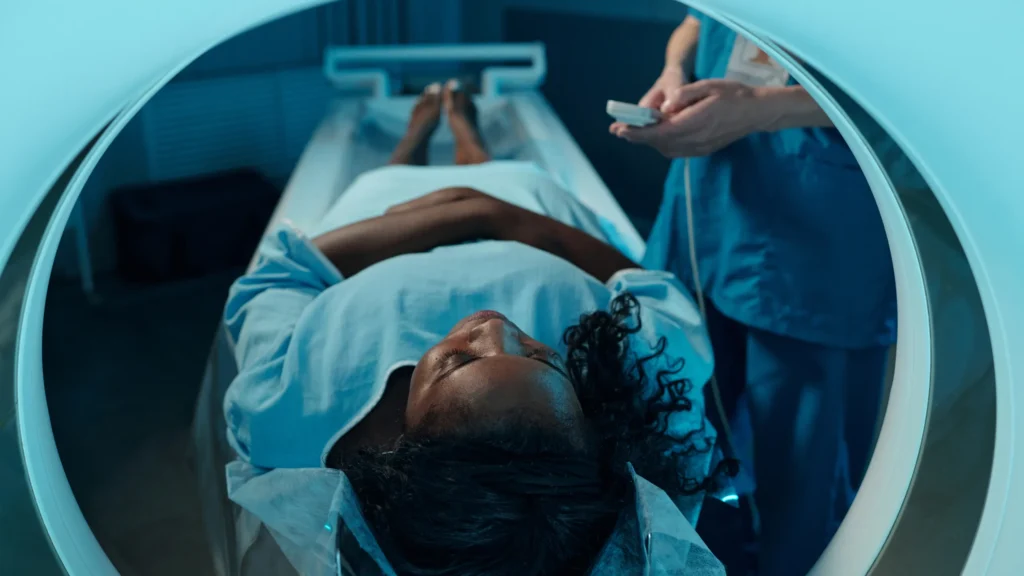
It seems like everyone is talking about getting a proactive full body MRI scan these days. Influencers and celebrities post photos from high tech clinics promising that a single hour inside a machine can give you absolute peace of mind by catching cancer or aneurysms before they ever cause symptoms. But before you pull out your credit card for a test that can easily cost thousands of dollars out of pocket it is worth taking a deep breath to look at what science actually says about these scans.
The Modern Woman’s Guide to Preventing Osteoporosis

Osteoporosis is often called a silent disease because you cannot feel your bones getting weaker. There are no early warning signs, no throbbing aches to tell you that your bone density is slipping away. For far too many women, the very first symptom is a fracture that happens from something as simple as a minor trip, a sudden twist or a clumsy bump into something solid. This is why preventing osteoporosis is so important, because by the time you realize it has happened, it may already be too late.
What Happens To Your Body During a Heat Wave?

With record breaking temperatures hitting communities all over the world this summer, we are experiencing firsthand what happens to our body during a heat wave. When a person is unable to find shelter from the heat, it can lead to dangerous consequences in the form of heat exhaustion and heat stroke. Identifying the warning signs and cooling down the body is essential to preventing a medical emergency.