Skip to content
This post contains affiliate links, which means the website may earn a small commission at no extra cost to you if you make a purchase through them. The HerHealth101 team only recommends products that align with our mission to support women’s health, and is not a reflection of any specific author. Your support helps keep this site growing. Thank you!
For decades we were told that the ultimate goal of working out was to burn as many calories as humanly possible on a treadmill or an elliptical machine. We were encouraged to shrink ourselves, sweat through endless hours of cardio, and stay far away from heavy weights for fear of becoming bulky. But as our bodies naturally evolve, that old cardio centric approach simply stops serving us. Around age thirty-five, the physiology of our bodies undergo a subtle shift. Estrogen levels gradually begin to fluctuate, bringing changes to our muscle mass, bone density, metabolic rate, and joint health. Suddenly, resistance training becomes the most important part of a woman’s exercise routine for a variety of reasons.
One of the biggest myths we hear is that lifting heavy weights will make a woman look masculine or bulky. However, this is limited due to the difference in natural testosterone levels, the key hormone responsible for muscle hypertrophy. Women produce significantly lower levels of testosterone than men, with the average man having a normal testosterone level of 500 to 600 ng/dL vs a woman’s 20 to 40ng/dL, essentially making massive muscle gains near impossible without testosterone supplementation. When you lift weights, you are not building bulky mass, you are building high quality lean muscle tissue that sculpts your body, protects your joints, and keeps your metabolism burning efficiently, even while you rest.
Beyond aesthetics and metabolism, strength training becomes nonnegotiable for our bones as we head toward perimenopause. Bone is dynamic living tissue that constantly breaks down and rebuilds itself. Estrogen plays a vital role in stimulating bone producing cells. As estrogen begins its natural decline, our rate of bone loss can start to outpace bone formation, raising the long term risk of osteopenia and osteoporosis. However, when you perform resistance exercises or lift weights, your muscles pull gently on your bones. Your skeletal system responds to this healthy stress by laying down new minerals, making your bones denser, stronger, and far less prone to fractures later in life. Cardio is great for heart health, but walking or cycling simply does not provide the targeted mechanical force needed to stimulate meaningful bone density improvements in your spine and hips.
Your joints benefit just as dramatically. Estrogen helps keep joint tissue lubricated and flexible, so as levels shift, you might notice occasional stiffness, subtle aches, or knee discomfort that never used to bother you. Lifting weights strengthens the surrounding tendons, ligaments, and supporting muscles that act as natural shock absorbers for your joints. When your glutes, hamstrings, and quadriceps are strong, they carry the weight of your daily movements so your knees do not have to.
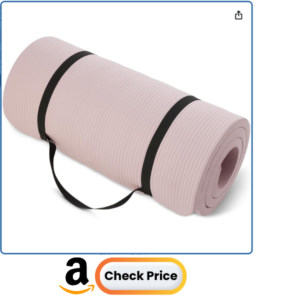
If you are new to resistance training, starting does not require a gym membership or an intimidating rack of heavy barbells. You can build incredible foundational strength right in your living room using your own body weight. Squats to a kitchen chair, modified pushups against a wall or kitchen counter, glute bridges on the floor, and standing lunges are brilliant exercises that teach your body proper movement patterns safely.

Start with 8 to 12 reps of each, for 2 to 3 sets, with a 60 second rest in between each set. Move slowly. Stop if you feel pain. If you are a beginner, focus on building good posture and movements before increasing weights.
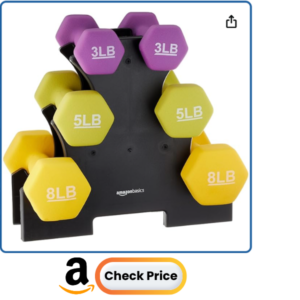
Once those movements feel comfortable, you can gradually introduce simple equipment like resistance bands or a pair of moderate dumbbells. Focus on compound functional movements that mimic real life activities, such as pushing, pulling, squatting, hinging at the hips, and carrying objects. Aim for two to three strength sessions a week, allowing your body a day of recovery in between to rebuild and adapt.
Prioritizing your strength after thirty five is not about chasing a number on a scale or forcing your body into a specific shape. It is about investing in your long term mobility and independence by protecting your bones, nourishing your metabolic health, and feeling capable in your daily life. Strength training is an act of deep self care that pays compound interest for decades to come, so pick up those weights with confidence and celebrate everything your incredible body can do.