Skip to content
This post contains affiliate links, which means the website may earn a small commission at no extra cost to you if you make a purchase through them. The HerHealth101 team only recommends products that align with our mission to support women’s health, and is not a reflection of any specific author. Your support helps keep this site growing. Thank you!
If you’ve ever had some aged cheese, avocado, or a glass of red wine, only to find yourself dealing with a sudden onset of flushing, a racing heart, nasal congestion, or unexplained digestive trouble, you might be dealing with histamine intolerance. It can present with a baffling cluster of symptoms, where lab work can return completely normal and so many women are simply told that they are just experiencing a strange allergy. But histamine intolerance is not an classic allergy at all! It is a mismatch between how much histamine enters your body and how quickly your system can break it down.
What is histamine and what does it do?
Histamine is a chemical compound that acts as both a signaling molecule and a key defender in your immune system. The vast majority of it is produced and stored inside mast cells and basophils (specialized types of white blood cells). When the immune system detects a potential threat, these cells release histamine to stimulate localized inflammation, encourage local blood flow and dilute toxins. It also plays an active role in stimulating stomach acid production for digestion, and keeping your brain alert. Your body naturally produces histamine, but you also consume it through many everyday foods.
Under normal circumstances, your body uses specialized enzymes to continuously break down the histamine you swallow so it never reaches dangerous levels. The primary enzyme responsible for clearing histamine is produced in your digestive tract, called diamine oxidase, or DAO. When your DAO enzyme activity drops, or when the overall amount of histamine in your body overflows it’s capacity to clear it, excess histamine spills over into your bloodstream and interacts with histamine receptors located all throughout your tissues.

What does a histamine reaction look like?
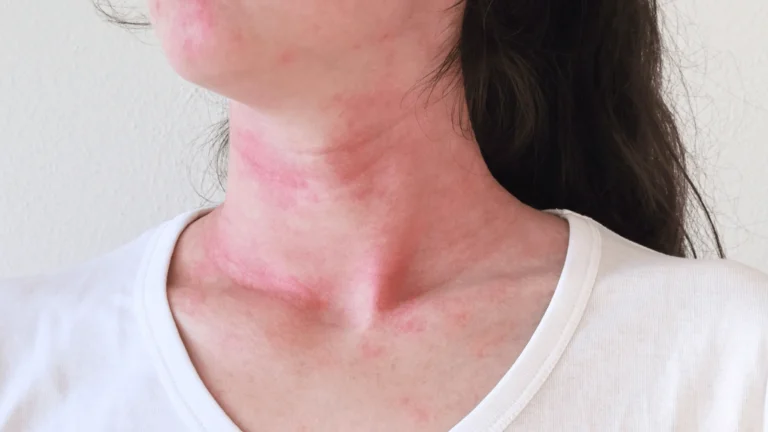
Because histamine receptors exist in your skin, heart, gut, brain, and lungs, the symptoms of an overflow can show up almost anywhere. Women frequently report sudden skin flushing, hives, unexplained itching, chronic headaches, or migraines. You might experience a sudden spike in your heart rate after eating, alongside nasal congestion or red, watery eyes. On the digestive side, it can trigger severe bloating, abdominal cramping, diarrhea, or acid reflux.
What causes histamine intolerance?
The biggest risk factor for histamine intolerance is often a combination of gut health disruptions and underlying chronic conditions. Because DAO is primarily produced in the lining of your small intestines, any condition that damages or inflames the gut wall, such as inflammatory bowel disease, celiac disease, dysbiosis or bacterial overgrowth, can reduce your body’s ability to manufacture DAO and break down histamine. Certain genetic predispositions or chronic inflammation conditions, such as mast cell activation syndrome or chronic allergies, can also keep a constant flow of histamine overflowing.
Histamine intolerance also disproportionately affects women, especially during times of hormonal shift. It is estimated that women account for 70 to 80 percent of clinical cases, and it most often presents between the ages of 30 and 50. This is because estrogen and histamine have a very intimate, cyclical relationship. Estrogen can stimulate mast cells to release more histamine, while simultaneously downregulating the DAO enzyme that breaks it down. This is why many women notice their histamine symptoms flaring up right before their period or during perimenopause when estrogen levels fluctuate dramatically.

ForestLeaf Quercetin with Bromelain Supplement, Vitamin C & Stinging Nettle
Dietary triggers
Histamine reactions can also be triggered by diet in one of three ways: foods that are naturally high in histamine, foods that release histamine from the body, and foods that block the DAO enzyme from breaking it down.
Histamine naturally accumulates through fermentation, aging, ripening and preserving, so as a general rule of thumb, fresher is better when seeking a low-histamine diet. Foods high in histamine can include fermented foods and drinks such as yogurt, kombucha, alcohol or vinegar-containing foods. Aged cheeses, cured and processed meats, canned fish, and overripened or dried fruits can also be high in histamine. Even protein rich leftovers can accumulate histamine quickly within as little as 24 hours as bacteria begins to break it down.
Foods that do not necessarily have high histamine levels themselves, but contain compounds that signal your immune system’s mast cells to release stored histamine include citrus fruit, certain other fruit such as strawberries, pineapples, kiwis and more, nuts and seeds, and chocolate and cocoa. Artificial additives and preservatives are also common culprits.
And finally, there are foods and drinks that interfere or inhibit the activity of DAO, such as caffeinated drinks and alcohol.

How to diagnose and manage histamine intolerance
Identifying histamine intolerance can be tricky because standard allergy skin prick tests and blood tests usually come back completely normal. Diagnosis primarily relies on a careful clinical history and a temporary low-histamine elimination trial. Working alongside a knowledgeable clinician or dietitian, you systematically remove high-histamine foods for a few weeks to see if your symptoms clear up, followed by a gradual reintroduction to identify your personal thresholds.
While navigating a low-histamine lifestyle can feel overwhelming at first, histamine intolerance is entirely manageable once you identify your root drivers. Addressing underlying gut health issues, such as dysbiosis or small intestinal bacterial overgrowth, can significantly improve your natural DAO production over time. It is also worth evaluating your medications as well, since many common prescriptions and over the counter medications can block DAO production or act as histamine liberators, such as NSAIDs, antidepressants, and certain blood pressure medications. Supporting your body with natural antihistamine compounds like quercetin and vitamin C, alongside targeted DAO enzyme supplements taken before meals, can also provide tremendous relief.