Skip to content
This post contains affiliate links, which means the website may earn a small commission at no extra cost to you if you make a purchase through them. The HerHealth101 team only recommends products that align with our mission to support women’s health, and is not a reflection of any specific author. Your support helps keep this site growing. Thank you!
When you stand up from sitting or laying down, your body normally adjusts to the change in posture. Blood vessels automatically contract, your heart adjusts its pace, and gravity is kept in check so plenty of oxygen continues flowing right to your brain. For millions of women, however, that simple transition feels less like a routine posture change and more like running an unexpected sprint while trying not to pass out.
If you have ever felt your heart race out of nowhere, experienced sudden dizziness upon standing, or battled relentless brain fog that makes simple daily tasks feel overwhelming, you are far from alone. These experiences are the hallmark features of a conditions known as Postural Orthostatic Tachycardia Syndrome, or POTS.
Despite affecting an estimated one to three million Americans, POTS remains widely misunderstood and frequently underdiagnosed. Because its symptoms span so many systems in the body, women often spend months or even years bouncing between specialists trying to get answers. Let’s break down what is actually happening inside the body with POTS, why it disproportionately affects women, and how you can work with your healthcare provider to find real relief.
What Is POTS?
To understand POTS, it helps to start with the word autonomic. Your autonomic nervous system is the master control panel responsible for everything your body does on autopilot, like breathing, digesting food, regulating body temperature, and controlling blood pressure.
In a healthy system, when you stand up, gravity pulls a significant portion of your blood down toward your abdomen, legs, and feet. Your autonomic nervous system instantly responds by tightening your blood vessels and slightly increasing your heart rate to push that blood back up toward your heart and head.
With POTS, that automatic communication loop doesn’t work quite the way it should. When you stand, your blood vessels do not tighten as effectively as they should, allowing blood to pool in your lower extremities. Sensing that your brain isn’t getting enough blood and oxygen, your body panics and floods your system with stress hormones like adrenaline. Your heart tries to compensate for the lack of circulating blood volume by beating drastically faster.

Common Symptoms to Look Out For
Because the autonomic nervous system influences virtually every organ system in your body, POTS is much more than just a fast heart rate. Symptoms can vary wildly from person to person and even fluctuate day to day, but common experiences include:
- Frequent lightheadedness and dizziness, especially when standing for prolonged periods.
- Heart palpitations that gets noticeably worse when you are upright.
- Severe fatigue and brain fog causing difficulty focusing, memory lapses, or feeling like your mental energy is completely drained.
- Exercise intolerance, even after very light physical activity that used to feel easy.
- Gastrointestinal issues such as nausea, bloating, abdominal pain, constipation, or diarrhea, since gut motility is heavily regulated by the autonomic nervous system.
- Temperature sensitivity to cold or hot, or experiencing excessive sweating even when the room temperature seems comfortable to everyone else.
Diagnosing POTS
To meet the official medical criteria for POTS, a patient must show:
- A significant jump in heart rate, usually an increase of ≥30 beats per minute or more in adults over age 20 (or reaching a heart rate over 120 beats per minute), within ten minutes of standing up, without a corresponding drop in blood pressure. In adolescents (ages 12-19), the heart rate criteria increases by ≥40 beats per minute.
- Absence of orthostatic hypotension, which is a drop in systolic blood pressure of at least ≥20mmHg or diastolic ≥10mmHg during first 3 minutes of standing.
- Orthostatic symptoms (like dizziness, palpitations, brain fog, etc) that worsen when upright and improve when lying down, lasting for at least 3 to 6 months.
- Rule out other causes that may explain the symptoms such as dehydration, anemia, hyperthyroidism, blood loss or medication side effects.
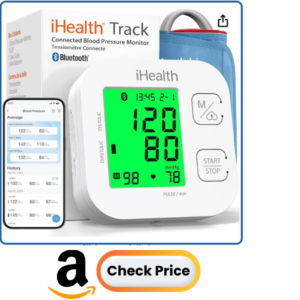
The gold standard test for POTS is a simple and noninvasive examination called a Tilt Table Test, where a patient lies flat on a table that is then tilted up while heart rate and blood pressure is monitored. Another exam that can be done at bedside without a proper tilting table, is a simple standing test where the vitals are measured while lying down and at set intervals after standing. Additional work up such as blood tests, by also be ordered to rule out any potential secondary causes.

Why Does POTS Affect So Many Women?
One of the most striking aspects of POTS is its dramatic gender disparity. Roughly 80% to 85% of people diagnosed with POTS are female, with most experiencing their first symptoms between the ages of 15 and 50.
While researchers are still working hard to pinpoint the exact underlying causes, several key factors help explain why women are overwhelmingly impacted:
- Hormonal Fluctuations: Estrogen and progesterone play active roles in vascular tone and fluid balance. Many women notice that their POTS symptoms flare up significantly during specific phases of their menstrual cycle, particularly right before or during their period when estrogen levels drop.
- Autoimmune Connections: There is growing evidence that POTS may have an autoimmune component. Since women are naturally far more susceptible to autoimmune conditions overall, this shared pathway may explain why female immune systems are more prone to triggering autonomic dysfunction.
- Connective Tissue Hypermobility: POTS frequently overlaps with Joint Hypermobility Spectrum Disorders and Ehlers-Danlos Syndrome (EDS), conditions characterized by extra stretchy connective tissues. Stretchy blood vessels make blood pooling in the legs much worse, compounding POTS symptoms.
- Viral Triggers: It is very common for POTS to develop after a major stressor to the immune system, such as a severe viral infection, surgery, pregnancy, or major physical trauma.

Long Term Management
If these symptoms sound all too familiar, bringing them up with a knowledgeable healthcare provider is an essential first step towards a proper diagnosis.
While living with POTS requires ongoing adjustments, a combination of lifestyle strategies and medical therapies can make a world of difference:
- Hydration and Salt Intake: Increasing daily fluid intake (often 2 to 3 liters of water per day) alongside elevated sodium intake under medical supervision helps expand total blood volume, making it easier for your body to pump blood upward.
- Compression Garments: Wearing medical-grade waist-high compression stockings or abdominal binders physically prevents blood from pooling in your lower body when you are upright.
- Recumbent Exercise Training: Building cardiovascular endurance without triggering orthostatic symptoms is key. Exercises performed while lying down or seated, such as rowing, recumbent bicycling, or swimming, help strengthen the leg muscles that naturally pump blood back up toward the heart.
- Targeted Medications: When lifestyle changes aren’t quite enough, doctors can prescribe medications like beta-blockers to lower heart rate, midodrine to tighten blood vessels, or fludrocortisone to help the body retain salt and fluid.
Living with an invisible condition like POTS can feel isolating, but understanding what is happening in your body gives you the power to advocate for yourself. You know your body best, and seeking out care from a team that listens is the first big step toward reclaiming your energy and vitality.