This post contains affiliate links, which means the website may earn a small commission at no extra cost to you if you make a purchase through them. The HerHealth101 team only recommends products that align with our mission to support women’s health, and is not a reflection of any specific author. Your support helps keep this site growing. Thank you!
Exosomes are disrupting the beauty industry. For years, many of us accepted a specific rule when it came to anti-aging skincare: if a product tingled, peeled, or made your face visibly shed its surface layer, it was working. Retinol became the gold standard of that aggressive philosophy, and for good reason. It speeds up cell turnover, smooths out fine lines, and forces the skin to renew itself through sheer discipline.
But skincare conversations are changing drastically. More and more women are asking a much smarter question: what if your skin doesn’t have to feel constantly stressed, inflamed, and irritated just to look healthy and youthful?
This shift in mindset is exactly why regenerative aesthetics is taking over the beauty industry. Instead of forcing rapid, surface-level correction, the new frontier of skincare is focused on cellular longevity by teaching your skin to heal and rebuild its underlying architecture from the inside out. At the absolute center of this scientific revolution is a buzzy breakthrough ingredient called exosomes.
What Exactly Are Exosomes?
To understand exosomes, it helps to stop thinking of skincare as just a collection of topical creams and start viewing your skin as a complex, living communication network.
As we age, our skin cells naturally slow down. They stop producing collagen and elastin at the rate they used to. The natural repair processes stall, resulting in thinning skin, fine lines, and a weakened moisture barrier.
Exosomes are not actual cells… rather, they are parts of a cell that are released out of the cell as microscopic bubbles, also scientifically called extracellular vesicles, and are packed full of biological information, including growth factors, lipids, peptides, and signaling proteins. These extracellular vesicles can then be taken in by another cell, and the vital contents absorbed, effectively altering the new cell’s behavior.
When topically applied in medical-grade serums, exosomes act as cellular messengers. They attach to your existing, sluggish skin cells and deliver a highly specific package of biological contents and instructions, essentially telling those older cells exactly how to behave, repair, and regenerate like young cells again.
Regenerative Signaling vs. Surface Resurfacing
Most traditional skincare ingredients work on a purely symptomatic level by adding artificial moisture to dry skin or using acids to strip away dead surface layers to reveal a temporary glow.
Exosomes operate on a completely different biological plane. Instead of forcing a mechanical change on the surface, they trigger internal biological pathways. When an exosome transfers its cargo into a skin cell, it essentially reprograms that cell to accelerate its own natural production of collagen and elastin, while simultaneously turning down the dials on chronic inflammation.
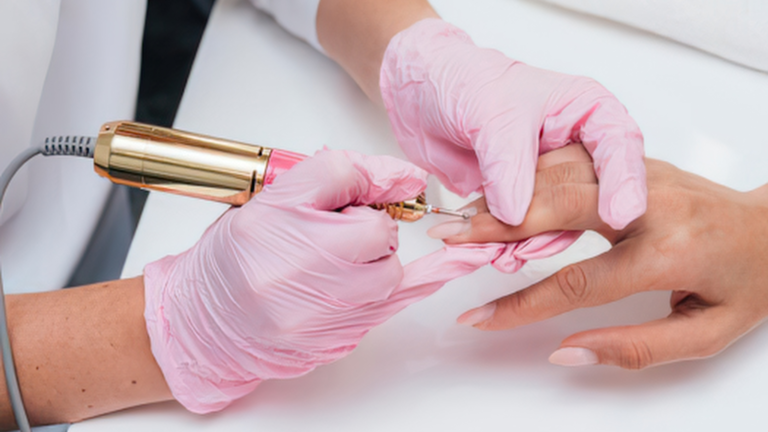
This is highly beneficial when combined with procedures like microneedling or fractional lasers, which create controlled micro-channels in the skin, allowing exosomes can sink deep into the tissue. Clinical observations show that applying exosomes post-procedure dramatically cuts down on redness, swelling, and overall healing downtime, allowing the skin to rebuild its architecture much more evenly.
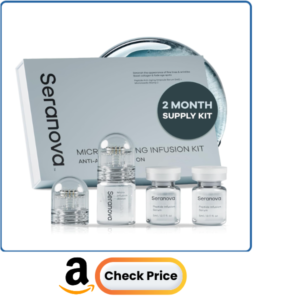
Exosomes vs. Retinol:
Because exosomes are being hailed as a premier anti-aging solution, it is only natural to compare them to retinol. However, comparing the two is a bit like comparing a hammer to a screwdriver… both are highly effective tools, but they build the house in completely different ways.
| Feature | Retinol (Vitamin A) | Topically Applied Exosomes |
| Primary Mechanism | Binds to receptors to force rapid surface cell turnover. | Delivers signaling packages to stimulate deep cellular repair. |
| Skin Barrier Impact | Can temporarily strip, thin, and irritate the moisture barrier. | Deeply strengthens, calms, and repairs the skin barrier. |
| Side Effects | Redness, peeling, flaking, and sun sensitivity. | Virtually zero irritation or social downtime. |
| Best For | Active acne, surface texture refinement, and dark spots. | Skin longevity, deep wrinkle repair, and post-procedure healing. |
| Price Point | Budget-friendly to moderate ($30 – $100). | Premium luxury investment ($150 – $300+). |
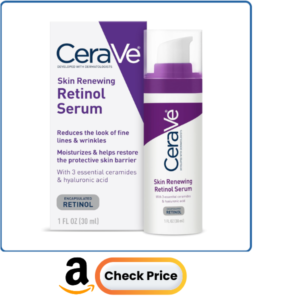
The primary drawback to a high-strength retinoid routine has always been compliance. Many women with sensitive, dry, or mature skin find themselves trapped in a frustrating cycle of peeling and inflammation, ultimately abandoning the ingredient altogether. Exosomes offer an incredibly elegant alternative: they provide comparable collagen-boosting benefits without triggering the inflammatory response that makes retinol so difficult to tolerate.
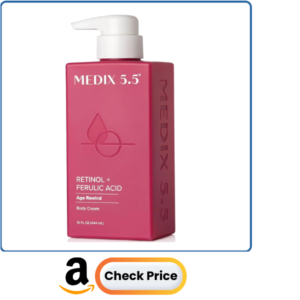
Can You Use Them Together?
You don’t necessarily have to choose between the two. In fact, many cutting-edge dermatologists are recommending a synergistic approach that pairs them together.
Retinol acts as a powerful supervisor, directing cells to turn over rapidly. Exosomes act as the resource managers, providing the exact nutrients, proteins, and signaling molecules those cells need to carry out those orders efficiently without burning out the skin barrier.
To layer them successfully at home, always apply your exosome serum first directly onto clean, dry skin. Because exosomes are nanoscale vesicles, they need unhindered contact with the skin surface to penetrate effectively. Allow the serum to fully absorb for two to three minutes before layering on your traditional actives, moisturizers, or retinol.
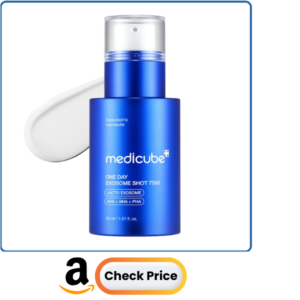
A Smart Consumer’s Guide to Buying Exosomes
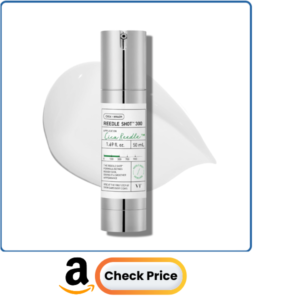
Because the term “exosome” is a massive buzzword, the skincare market is rapidly becoming flooded with products making bold claims. When you are shopping for a regenerative serum, it is crucial to understand that cheaper is rarely better in this category. Isolating intact, stable, and active cellular messengers requires highly advanced bio-technology, meaning true exosome formulas come with a luxury price tag.
When evaluating a product, look closely at the source of the exosomes:
- Plant-Derived Exosomes (Botanical): Sourced from plants like roses, apples, or ginseng. While they are highly antioxidant and great for general hydration, these do not communicate with human cells quite as effectively as human-derived exosomes. They are, however, much more budget-friendly.
- Human Stem Cell or Platelet-Derived Exosomes: Sourced from ethically run, FDA-compliant clinical tissue banks. These are the medical-grade powerhouses backed by robust clinical data, as their signaling packages are perfectly keyed to unlock human skin cell receptors.
Always buy from verified, medical-grade brands that explicitly publish their clinical trials and stability studies. If a drugstore brand claims to contain active exosomes for twenty dollars, you are likely just buying a standard hydrating serum with clever marketing.
Ultimately, the rise of regenerative skincare reminds us that we do not have to break down our skin barrier to build it back up. By investing in the science of cellular communication, we can support our skin’s longevity gracefully, calmly, and effectively.