This post contains affiliate links, which means the website may earn a small commission at no extra cost to you if you make a purchase through them. The HerHealth101 team only recommends products that align with our mission to support women’s health, and is not a reflection of any specific author. Your support helps keep this site growing. Thank you!
With record breaking temperatures hitting communities all over the world this summer, we are seeing firsthand how our changing climate directly impacts our physical health and what happens to our body in a heat wave. It seems like every week there is another story about a heat dome or an unprecedented thermal ridge breaking long standing records. And unfortunately, when a person is unable to find shelter from the heat, it can lead to dangerous and lethal consequences.

Our thermoneutral zone
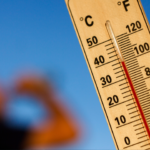
Our bodies are beautifully complex systems that function best within a very narrow temperature window, usually right around 68 to 77 degrees Fahrenheit. When the air around us sits at a comfortable room temperature, our internal thermostat, which is managed by a part of the brain called the hypothalamus, does not have to work very hard to maintain this baseline balance. But when ambient temperatures climb, the relationship between our skin and the surrounding atmosphere completely changes.

How our bodies cool down
As the air heats up, your body immediately initiates a survival response to dump the extra thermal energy. The first thing that happens is vasodilation, which means your blood vessels widen to push more warm blood toward the surface of your skin. This is why you get flushed when you walk out into a hot afternoon. Your body is trying to use the air to cool your blood down. At the same time, your sweat glands kick into high gear to produce moisture. When that sweat evaporates off your skin, it pulls heat away with it, providing a natural cooling mechanism.
However, when a heat wave brings extreme humidity along with high temperatures, this evaporation process slows down or stops entirely because the air is already saturated with moisture. When your sweat cannot evaporate, your core temperature begins to rise, and that is when the real danger starts.
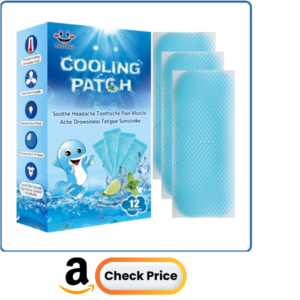
What is heat exhaustion?
If your body continues to heat up without relief, you can quickly cross the line into heat exhaustion. This happens because you are losing massive amounts of fluids and essential salts through your sweat. Your heart has to beat much faster and work significantly harder just to keep your blood pressure stable while pushing fluid to your skin.
You will likely experience heavy sweating, muscle cramps, dizziness, and a throbbing headache. Many women notice they feel incredibly weak, fatigued, or even nauseous to the point of vomiting. Your skin might feel cool and clammy, and your pulse will likely feel fast but weak when you try to measure it. Heat exhaustion is a loud warning sign from your body that your internal cooling mechanisms are starting to fail under the pressure.
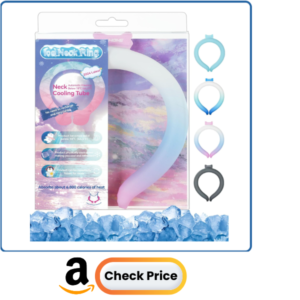
What is heat stroke?
If those warning signs are ignored, heat exhaustion can turn into a life threatening medical emergency known as heat stroke. At this point, your internal temperature can spike above one hundred and three degrees Fahrenheit very quickly. The enzymes that power your biochemical processes literally start to lose their shape and fail to work.
The most definitive sign of heat stroke is a change in mental state, such as confusion, slurred speech, extreme restlessness, or even losing consciousness entirely. Your skin will often become hot and completely dry because the sweating mechanism has completely broken down, though some people do continue to sweat profusely. Your pulse becomes remarkably strong and fast as your heart makes a desperate attempt to protect your vital organs. Heat stroke requires immediate emergency medical attention because delays can lead to permanent organ damage or even death.

How to prevent a medical emergency
If you or a loved one begins to feel overheated, you must take action immediately to reverse the process. Move into a cool, air conditioned building or find the deepest shade possible. Loosen any tight clothing and begin applying cool, wet cloths to the skin, focusing on areas with major blood vessels like the neck, armpits, and groin. If the person is fully conscious and not feeling sick to their stomach, have them sip cool water slowly. However, if you see any signs of confusion or heat stroke, call emergency services right away and do not try to force them to drink water, as they could choke.
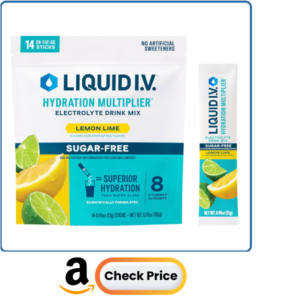
Stay safe this summer
Staying safe during these intense summer months requires being proactive rather than reactive. Try to schedule your outdoor tasks or exercise during the early morning hours when the air is coolest. Drink plenty of water throughout the day even before you feel thirsty, and consider adding electrolyte solutions if you are spending extended time outdoors. Please check in on your elderly neighbors, pregnant friends, and young children, because their bodies have a much harder time regulating temperature safely. By understanding these physical responses and looking out for one another, we can stay healthy while still having fun all summer long.