Skip to content

This post contains affiliate links, which means the website may earn a small commission at no extra cost to you if you make a purchase through them. The HerHealth101 team only recommends products that align with our mission to support women’s health, and is not a reflection of any specific author. Your support helps keep this site growing. Thank you!
When the air grows crisp and the leaves start changing, our wardrobes aren’t the only thing that need a seasonal shift. As temperatures drop and humidity plunges, the transition into fall and winter brings a dramatic shift in how our environment interacts with our bodies. From a dermatological standpoint, cold outdoor air paired with artificial indoor heating creates a double threat that rapidly pulls moisture from our outer tissues. Understanding what happens at a cellular level allows us to shield our barrier effectively while keeping our hair and skin glowing all season long.
The Science Behind Why Cold-Weather Dryness Happens
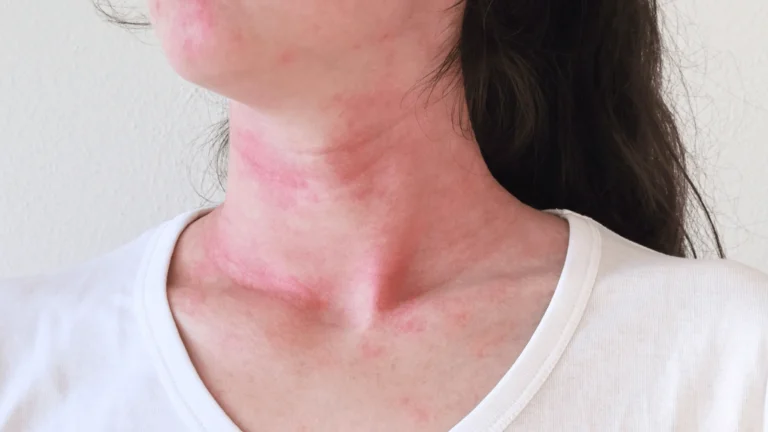
Our skin barrier, specifically the stratum corneum, relies on a delicate balance of water and natural lipids to stay smooth and protective. Cold air inherently holds less water vapor, and indoor heating further desiccates the air, causing transepidermal water loss to spike. When this outer layer loses moisture, the microscopic cells shrink, leading to tightness, flaking, and heightened sensitivity.
Your scalp and hair follicles also experience this exact same stress. Cold winds strip away the scalp’s natural sebum, leading to irritation or seasonal flaking. Meanwhile, the hair shaft itself, which lacks the ability to regenerate like living tissue, becomes porous, prone to static, and brittle under dry conditions.
Dermatological Strategies for Skin Barrier Defense
To protect your skin through the colder months, the goal is twofold: draw hydration in and lock it down tight.
First, swap out harsh, foaming cleansers for gentle, non-stripping formulas. Stripping away natural lipids during your wash step makes it nearly impossible for your barrier to recover outdoors.
Second, rethink your ingredients. Humectants like hyaluronic acid and glycerin are wonderful at pulling moisture into the upper skin layers, but they must be sealed with emollients and occlusives like ceramides and rich lipids. Applying your rich creams onto damp skin right after cleansing traps that surface moisture before it evaporates.
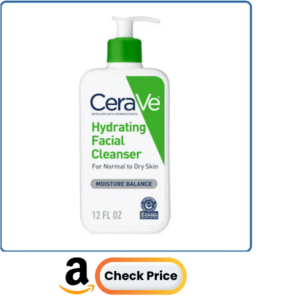
A gentle cleanser like CeraVe Hydrating Facial Cleanser washes away daily impurities while leaving essential lipid barriers completely intact.
For deeply compromised or flaky skin, La Roche Posay Lipikar AP+M Triple Repair Body Moisturizer for Dry Skin delivers long lasting relief using ceramides, niacinamide, and rich shea butter.

For Sensitive or Acne-Prone Skin:
Cold, dry weather creates an extra tricky conundrum for sensitive or acne-prone complexions. When the moisture barrier breaks down under freezing winds and dry heat, the skin overcompensates by producing excess, sticky sebum while shedding dead skin cells unevenly. This leads to clogged pores and painful seasonal breakouts, even if your skin feels dry on the surface. Resist the urge to scrub with aggressive exfoliants or overload on drying benzoyl peroxide treatments, which only inflame the skin further. Instead, prioritize soothing, anti-inflammatory active ingredients alongside gentle hydrating formulas that repair the skin barrier without clogging pores.
Misting with Tower 28 SOS Daily Rescue Facial Spray leverages antibacterial hypochlorous acid to calm redness and prevent seasonal breakouts without causing dryness or irritation.

Toner Face Mist to Gently Help Calm Visible Redness & Irritation
For targeted spot treatment, La Roche-Posay Effaclar Duo+M Acne Treatment with Salicylic Acid gently unclogs pores and refines texture while keeping sensitive, blemish-prone skin balanced and hydrated.

What About Retinoids and Sunscreen?
If retinoids are already a staple in your evening routine, you don’t need to pause them when the weather cools down, but your application strategy should shift. Cold air and dry indoor heat amplify retinoid-induced dryness, so balancing cellular renewal with intensive barrier support becomes paramount. Consider reducing your frequency slightly, such as moving from nightly use to three or four times a week, or using the “sandwich method,” where you apply a thin layer of rich moisturizer before and after your retinoid to buffer potential irritation. Look for formulas packed with ceramides, fatty acids, and glycerin to reinforce your barrier while letting your retinoid continue to smooth texture and boost collagen production without causing excess peeling or sensitivity.
And finally, don’t let overcast skies and cooler temperatures fool you into putting away your sun care routine. Ultraviolet A (UVA) rays maintain the same intensity year-round, penetrating through thick clouds and glass to accelerate collagen breakdown and cause deep cell damage. Daily sunscreen with broad-spectrum SPF is non-negotiable. It acts as your skin’s final shield against environmental aging, UV damage, and barrier breakdown, even in the depths of winter.
Protecting Your Scalp and Hair Architecture
Hair care during autumn and winter requires a similar shift toward rich conditioning and lipid protection. A dry scalp is often mistaken for dandruff, but heavy anti-fungal shampoos can sometimes make simple seasonal dryness worse. Instead, focus on soothing scalp nourishment using lightweight oils that mimic natural sebum, such as jojoba or argan oil.
Cold weather impacts straight and curly strands differently due to variations in follicle shape and oil distribution. Straight hair tends to look limp and static-prone when humidity drops, while curly hair, which is naturally drier because scalp oils cannot easily travel down the spiral shaft, becomes vulnerable to extreme frizz and severe brittleness.
Tailoring your routine to your hair texture ensures you maintain moisture balance without compromising volume or definition.
For Straight Hair: Lightweight Hydration & Static Shielding
Fine and straight strands easily get weighed down by heavy winter creams, making them look flat while still suffering from dry ends and static shock from wool coats and sweaters.
- Focus on Scalp Balance: Wash with a clarifying or light hydrating shampoo to maintain volume at the root, applying conditioner exclusively from mid-lengths to ends.
- Tame Friction & Flyaways: Swap thick oils for ultra-lightweight hair oils or bonding liquids that smooth the cuticle and seal in hydration without adding grease.
Applying a few drops of Olaplex No.7 Bonding Oil to wet or dry hair can tame cold-weather static, restore damaged bonds, and add brilliant shine to straight hair without flattening volume.

For Curly & Coily Hair: Deep Lipid Replenishment & Sealing
Because natural scalp oils struggle to navigate spiral hair shafts, cold winds strip curly hair rapidly, leading to loss of elasticity, shrinkage, and curl pattern disruption.
- Layer Moisture (LOC/LCO Method): Apply a leave-in liquid or cream moisture base to damp hair, followed by an emollient butter or oil to lock the moisture inside the curl pattern.
- Deep Conditioning Treatments: Replace your standard conditioner with rich, silicone-free mask formulas containing botanical butters like shea, mango, or murumuru at least once a week.
Using Oribe Eternal Curls Deep Treatment Masque quenches thirsty waves, curls, and coils while restoring elasticity and detangling fragile, dry strands.

What Works for Both: Universal Cold-Weather Care Rules
Regardless of texture, all hair types face structural weakness under cold outdoor temperatures and dry indoor heat.
- Molecular Bond Repair: Cold air weakens keratin bonds. Incorporating a leave-in peptide or bond repair treatment once a week repairs structural damage at a cellular level for all hair types.
- Friction Protection: Swap cotton pillowcases for silk or satin to prevent moisture absorption and night-time breakage.
- Protective Finishing Oils: A high-quality oil serves every hair type when applied correctly, from 1 drop for short fine straight hair, or multiple pumps scrunched into curls.
A single application of K18 Leave-In Molecular Repair Hair Mask reverses cold-weather breakage and structural damage across straight, wavy, and curly textures alike in just four minutes.

Finishing any routine with the original #1 Moroccanoil Treatment coats the hair shaft with argan oil to seal split ends, reduce frizz, and block environmental dryness.

Moroccanoil Treatment Hair Oil
Daily Lifestyle Tweaks for Seasonal Radiant Health
Topical care is only half the equation. Simple adjustments in your home environment go a long way in supporting your skin and hair:
- Invest in a Cool-Mist Humidifier: Running a humidifier in your bedroom helps counteract dry indoor heating while you sleep.
- Watch the Water Temperature: Hot showers may feel amazing on cold mornings, but scalding water melts away your natural lipid barrier rapidly. Stick to lukewarm water.
- Layer Products Mindfully: Always layer from lightest texture to heaviest, finishing with your thickest occlusives to trap all the goodness underneath.

We often hear that chugging extra water or popping a targeted skin vitamin will magically restore our glow from within. But from both a physiological and dermatological standpoint, drinking excess water doesn’t automatically translate to hydrated skin unless you are clinically dehydrated. Your body tightly regulates its internal fluid balance, and water goes to your vital organs long before it reaches the outer layer of your epidermis.
Supplements can certainly offer a helping hand, but they work best as a supporting cast rather than a quick fix for seasonal dryness. Oral collagen peptides, omega-3 fatty acids, or antioxidants help nourish the skin matrix from within, yet they cannot replace a compromised surface moisture barrier. True winter resilience comes from combining thoughtful lifestyle habits, maintaining internal health, and robust topical protection that locks moisture right where it belongs.