
A women's health resource lead by women's health experts!

Pelvic Health

pregnant woman doing pelvic floor physical therapy for pelvic floor disorder

Preventing Pelvic Floor Disorders During and After Pregnancy

Pregnancy and childbirth bring about incredible changes, but they also put a lot of stress on your pelvic floor, the group of muscles that supports your bladder, uterus, and rectum. They they become stretched, injured or stressed, it can lead to pelvic floor disorders such as incontinence, prolapse, pain and more. Whether you’re pregnant with your first baby or have already given birth before, protecting your pelvic floor is essential for your long-term health, comfort, and confidence.

Read More...

What is Pelvic Organ Prolapse?

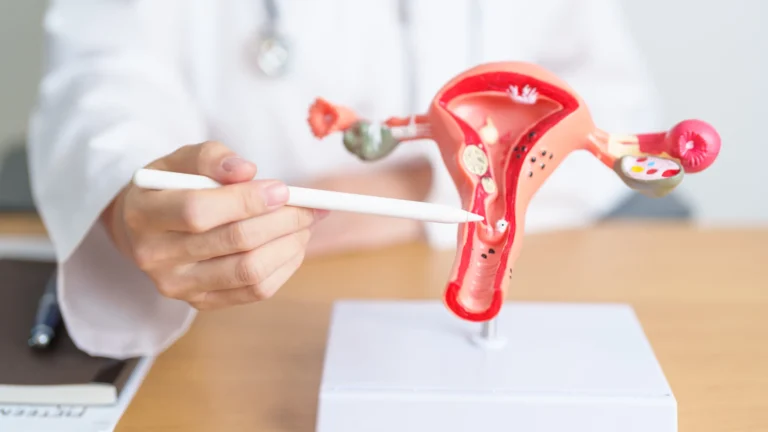
Do you have a sense of “heaviness” or discomfort or maybe even notice something bulging from the vaginal canal? Pelvic organ prolapse is a common condition where the muscles and tissues supporting your pelvic organs become stretched or weakened. When this happens, organs like the bladder, uterus or the rectum can begin to shift from their natural positions and drop into the vaginal canal. Fortunately, this is easily treatable, so let’s dive into talking about the different types of prolapse, signs and symptoms and ways to treat it!

Read More...
cranberries

Does Cranberry Juice Actually Help UTIs?

Why do we think it helps UTIs? Cranberries contain compounds, called proanthocyanidins (try saying THAT three times fast) and scientific studies have suggested that it may interfere with the adhesion of bacteria, particularly Escherichia coli (E. coli), the bug responsible for most UTIs, to the lining of the urinary tract. It is thought that if the bacteria cannot stick to the walls of the bladder, then it cannot cause an infection. It may contribute to urinary tract health, but individual responses can vary.

Read More...
sign to the womens restroom

What are the Different Types of Urinary Incontinence?

Urinary incontinence is a common and often embarrassing condition that affects millions of people worldwide. It’s defined as the involuntary loss of urine and can have a significant impact on one’s quality of day to day life. But there are many different types of urinary incontinence, so let’s dive into discussing the common symptoms, risk factors, and explore available treatment options.

Read More...

Hello! I am Jackie Dallas

A doctor, actress, and women's health advocate, Jackie is the founder of Her Health 101, a platform empowering women through evidence-based health education