This post contains affiliate links, which means I may earn a small commission at no extra cost to you if you make a purchase through them. I only recommend products I truly believe in and that align with our mission to support women’s health. Your support helps keep this site growing. Thank you!
Prevention is the most powerful tool in medicine and health screenings are at the heart of it. Yet many women may find themselves missing routine checkups, either because life gets busy, or because they feel fine and assume that means everything is fine.
But the truth is, many serious conditions including heart disease, diabetes, and several cancers, can develop silently, with no symptoms in the early stages. Regular screenings catch problems before they become emergencies, when treatment is most effective and outcomes are best.
Here’s a guide to the essential health screenings every woman should know about, and when to get them.

1. Blood Pressure Check
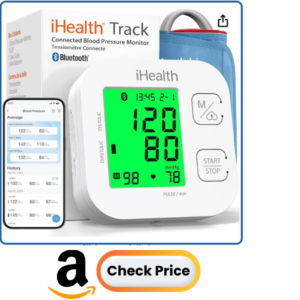
High blood pressure (hypertension) is known as the ‘silent killer’ for good reason: it rarely causes symptoms until the damage is already done. Left untreated, it significantly raises your risk of heart attack, stroke, and kidney disease.
Women should have their blood pressure checked at least every two years starting at age 18, or annually if readings have been elevated. If you’re pregnant, monitoring becomes even more critical.
2. Cholesterol Panel
High cholesterol is another condition with no obvious symptoms, but a major contributor to heart disease, the leading cause of death in women. A simple blood test called a lipid panel measures your levels of LDL (bad) cholesterol, HDL (good) cholesterol, and triglycerides.
Women should have their first cholesterol check in their twenties, then every four to six years if results are normal. More frequent testing is recommended if you have risk factors like obesity, diabetes, or a family history of heart disease.
3. Blood Sugar Testing
Type 2 diabetes and prediabetes often develop gradually, without any noticeable symptoms. A fasting blood glucose test or HbA1c test can detect elevated blood sugar levels before full-blown diabetes sets in.
Screening is recommended starting at age 35 for most women, or earlier if you have risk factors such as excess weight, a sedentary lifestyle, or a history of gestational diabetes.

4. Cervical Cancer Screening (Pap Smear & HPV Test)
Cervical cancer used to be a common cause of death for women, but is now almost entirely preventable with regular screening. A Pap smear checks for abnormal cells on the cervix, while an HPV test looks for the human papillomavirus strains that can cause cervical cancer.
• Women aged 21–29: Pap smear every 3 years.
• Women aged 30–65: Pap smear + HPV test every 5 years (or Pap alone every 3 years).
• Women over 65: Ask your doctor. You may be able to stop screening after consistently normal results.
Women under the age of 21 are generally not recommended for pap smears, regardless of sexual activity. And HPV testing is not typically done for women under 29, because many young women have transient HPV infections that often clear on their own with time.

5. Mammogram (Breast Cancer Screening)
Breast cancer is the second most common cancer in women. Mammograms are low-dose X-rays of the breast that can detect tumors years before they can be felt.
Most guidelines recommend annual or biennial mammograms starting at age 40. Women with a family history of breast cancer or known genetic risk factors (such as BRCA mutations) may be advised to start earlier. Talk to your doctor about what’s right for you.
6. Bone Density Scan (DEXA Scan)
Osteoporosis causes bones to become fragile and break more easily and it’s far more common in women than men, particularly after menopause. A DEXA scan measures bone mineral density and can detect bone loss before a fracture occurs.
The standard recommendation is a baseline scan at age 65. Women who are postmenopausal before 65 or have other risk factors (such as low body weight, smoking, or long-term steroid use) should discuss earlier screening with their doctor.

7. Colorectal Cancer Screening
Colorectal cancer is the third most common cancer in women, and highly treatable when caught early. Screening options include colonoscopy, stool-based tests, and CT colonography.
Most women should begin colorectal screening at age 45. Those with a family history of colorectal cancer or polyps should start earlier. Your doctor will help determine the best screening method and frequency for you.

8. Skin Check
Skin cancers, such as melanoma, are one of the most common cancers, and one of the most visible. Regular self-exams and professional skin checks can catch suspicious lesions early, when they’re easiest to treat.
Examine your skin monthly from head to toe, watching for new or changing moles, spots, or patches. See a dermatologist annually if you have fair skin, a history of significant sun exposure, or a personal or family history of skin cancer.
9. Eye Exam
Vision changes are easy to overlook, but conditions like glaucoma, diabetic eye disease, and macular degeneration can cause permanent vision loss if left untreated. A comprehensive eye exam can detect these conditions in their earliest stages.
Adults with good vision and no risk factors should have an eye exam every two years. Women with diabetes, a family history of eye disease, or vision problems should see an eye doctor annually.
10. Sexually Transmitted Infection (STI) Screening
STIs, including chlamydia, gonorrhea, syphilis, and HIV, are far more common than most people realize, and many have no obvious symptoms at all. Untreated STIs can lead to serious complications, including infertility and increased cancer risk.
Sexually active women under 25 should be screened for chlamydia and gonorrhea annually. Older women with new or multiple partners should also be tested. HIV screening is recommended at least once for all adults, and more frequently for those at higher risk.

A Note on Being Your Own Advocate
No one knows your body better than you do. If something feels off, even between scheduled screenings, don’t wait for your next routine appointment. Speak up, ask questions, and push for answers. The relationship between you and your healthcare provider should be a partnership, not a one-way conversation.
Staying on top of your screenings isn’t about being anxious about your health. It’s about being empowered to protect it.
Health screenings aren’t just for people who feel unwell. They’re for every woman who wants to stay ahead of potential problems, catch issues early, and make informed decisions about her health. Talk to your doctor about which screenings are due for your age, health history, and risk factors, and get them scheduled. Your health is worth prioritizing.