This post contains affiliate links, which means the website may earn a small commission at no extra cost to you if you make a purchase through them. The HerHealth101 team only recommends products that align with our mission to support women’s health, and is not a reflection of any specific author. Your support helps keep this site growing. Thank you!
When a woman comes to my office with abnormal or heavy bleeding or describes a persistent sense of pelvic “heaviness” or a noticeable increase in abdominal size that doesn’t fluctuate with her cycle, the most likely culprit is usually uterine leiomyomas, commonly known as fibroids.
These are benign, tumors that arise from the smooth muscle cells of the myometrium layer of the uterus, and they represent the most common pelvic tumor in women of reproductive age. While they aren’t “scary” in the sense of being malignant, they can certainly become problematic when they start to take up too much space or interfere with the comfort in your daily life.

What Causes Fibroids?
The exact cause of how fibroids develop remains a subject of study, but it is well-established that they are hormonally responsive. We know they are highly sensitive to the hormones estrogen and progesterone. This is why we often see them in women who are of reproductive age and rarely in young girls who haven’t started their periods, and less in woman after they have reached menopause and her hormone levels naturally drop. There is also a significant genetic component at play, as we often see fibroids running in families, passed down from mothers to daughters. Early menarche and obesity are recognized risk factors, and data also shows that Black women are not only more likely to develop fibroids at an earlier age, but also tend to have larger, more numerous and more severe symptoms than women of other races.
How Do Fibroids Present?
The most common presentation of fibroid is heavy or abnormal bleeding. Other signs and symptoms of fibroids largely depends on their location within the uterus and relation to adjacent organs. For example, subserosal fibroids grow on the outside of the uterus and can press upon your bladder or rectum, causing urinary frequency or leakage or constipation. And some women don’t have heavy bleeding at all but feel a constant, dull pressure or an increase in their waistline that doesn’t go away with exercise.
But it is important to recognize that not all women will have symptoms of pelvic pressure or heaviness either. Remember, a women’s body is meant to be able to carry large masses, such as babies, so many times, even a particularly large fibroid may not be uncomfortable unless it is a in a location that causes issues.

Diagnosing Fibroids
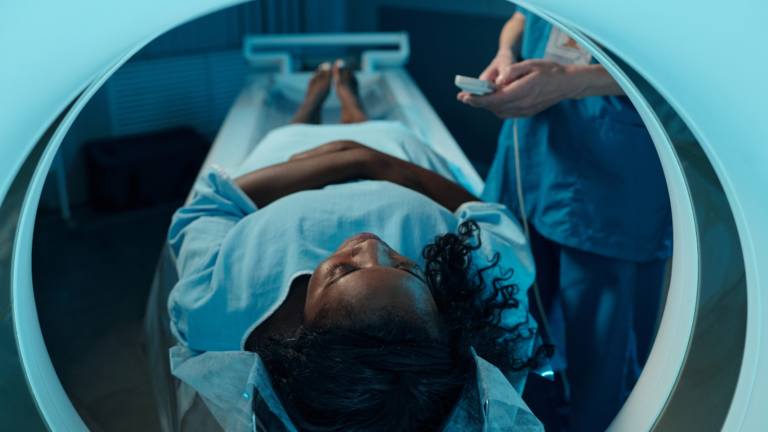
Diagnosing them is a simple process that starts with a physical pelvic exam where your doctor can often feel if the uterus is enlarged or irregular in shape. To get a clearer picture, a pelvic ultrasound is often used, which is an easy and non-invasive way to “map” where the fibroids are and how big they’ve become. In some cases, if a more complex surgery needs to be planned or if the ultrasound doesn’t give enough detail, an MRI might also be ordered.
While diagnosing fibroids is fairly straightforward, one important thing that needs to be done is rule out certain “differentials”, aka other conditions that can mimic the symptoms of fibroids. For example, adenomyosis, where the uterine lining grows into the muscle wall, also causes an enlarged uterus and heavy bleeding, but is treated differently. As are pelvic organ prolapse, ovarian masses, which can cause similar pelvic pressure, and more critically, malignant uterine sarcomas. MRIs are helpful in distinguishing fibroids from these other pathologies.
Do You Need To Treat Fibroids?
The good news is that not every fibroid needs to be treated. If yours are small and you aren’t experiencing any pain or heavy bleeding, we might simply choose a “watch and wait” approach, checking in once a year to see if anything has changed. Fibroids are generally slow growing masses, that may take years before they begin causing more significant symptoms.
However, if they are affecting your fertility, causing anemia, pain or creating “bulk symptoms” meaning compressing nearby vessels or organs due to size, then we have a wide array of options.

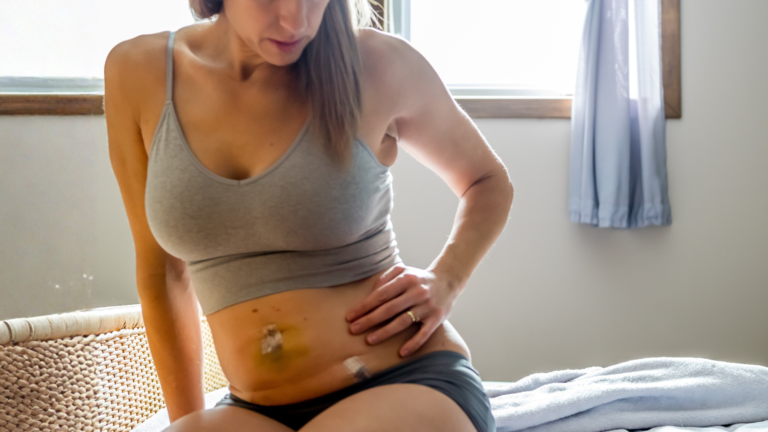
We can use medications, such as GnRH agonists to induce a low-estrogen state to manage the bleeding or shrink the fibroids temporarily, but for a more permanent fix, we look at procedures like a myomectomy to remove just the fibroids or a hysterectomy if you are finished with childbearing and want a definitive solution. The size of the fibroids may affect the technique used to remove it, as larger fibroids may make minimally invasive methods less feasible.
We also have newer, less invasive options like uterine fibroid embolization, where small particles are injected to cut off the blood supply to the growth. This works best when there is a single large fibroid. Another is radiofrequency ablation that uses heat to shrink them from the inside out, but this has size limitations and become less effective as the fibroid gets larger.

Fibroids and You
I truly believe that at the end of the day, the big picture goal is making sure you aren’t stuck living in a constant state of chronic anemia or nagging pelvic pain. The focus really should be on your quality of life. Since these growths are benign and aren’t going to turn into cancer, it is actually quite safe to just leave them be if they aren’t bothering you. But if you’re dealing with discomfort and you feel like they’re starting to mess with your health or your daily groove, please know that you don’t have to just “live with it.” Your comfort is a huge priority, and by sitting down and really digging into the different options with your doctor, you can find the perfect treatment plan to get you back to feeling like your true self again.
About the Author:

Dr. Katherine Choi is a board certified obstetrician and gynecologist. She is known for her minimally invasive techniques and specializes in uterine disorders, such as endometriosis and fibroids.