This post contains affiliate links, which means the website may earn a small commission at no extra cost to you if you make a purchase through them. The HerHealth101 team only recommends products that align with our mission to support women’s health, and is not a reflection of any specific author. Your support helps keep this site growing. Thank you!
Exercise is one of the most powerful things you can do for your health, but the best workout for you at 20 looks very different from the best workout at 45 or 65. Your body’s needs, hormones, recovery capacity, and priorities shift significantly across the decades, and a fitness routine that honors those changes is one you’ll actually sustain.
This isn’t about slowing down as you age. It’s about training smarter, moving in ways that serve your body right now, and staying active for life. Here’s a stage-by-stage guide to the workouts that will serve you best.
In Your Teens and Twenties: Build the Foundation
Your late teens and twenties are a biological golden window for fitness. Bone density is still being built (it peaks around age 30), muscle is responsive, recovery is fast, and your hormones are generally working in your favor. This is the time to build the physical foundation you’ll draw on for decades.
What to Focus On
Strength training is your highest-leverage investment during this stage. Building muscle now increases your peak bone density and muscle mass, both of which decline naturally with age. Starting strength training in your twenties gives you a higher baseline to work from as you get older.
Cardiovascular fitness is equally important. Your heart and lungs are adapting powerfully to training stimuli at this age. Activities like running, cycling, swimming, rowing, and team sports build an aerobic base that benefits your health for life.
Don’t neglect flexibility and mobility. Many young women skip this thinking it’s not necessary yet, but poor mobility habits established in your twenties lead to pain, injury, and dysfunction later. Regular stretching, yoga, or Pilates pays dividends for decades.
Sample Weekly Structure
- 3 days of strength training (full body or upper/lower split)
- 2–3 days of cardio (mix of steady-state and interval training)
- 1–2 days of flexibility or active recovery
Listen to your body during your menstrual cycle. Many women find they feel strongest and most energetic in the first half of their cycle (follicular phase) and benefit from lighter training in the days before their period.
In Your Thirties: Train Smart and Recover Well
Your thirties often bring new demands: career pressures, relationships, possibly pregnancy and new motherhood… alongside the beginning of subtle physiological shifts. Muscle mass starts declining slowly, recovery takes a little longer, and stress management becomes increasingly important for fitness outcomes.
What to Focus On
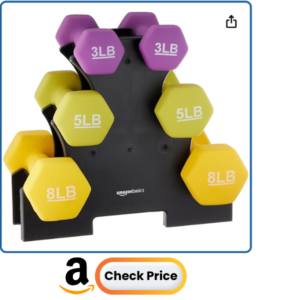
Strength training becomes even more important now. Maintaining and building muscle in your thirties counteracts the gradual decline of muscle mass (sarcopenia) that begins during this decade. Prioritize compound movements like squats, deadlifts, rows, presses, etc, that train multiple muscle groups at once.
High-Intensity Interval Training (HIIT) is highly effective for women in their thirties. It builds cardiovascular fitness, burns calories efficiently, and takes less time than steady-state cardio. Two to three sessions per week is plenty, as overdoing HIIT can spike cortisol and work against you.
If you’re pregnant or postpartum, exercise looks different. During pregnancy, most women can continue modified versions of their existing routines with medical clearance. Postpartum, it is important to prioritize gentle core and pelvic floor rehabilitation before returning to high-impact exercise, no matter how quickly you feel ready. Most women will need at least 6-8 weeks for their pelvic floor to recover after pregnancy, but everyone is different, so be patient and kind to yourself and listen to your body.
Sample Weekly Structure
- 3–4 days of strength training
- 2 days of HIIT or cardio
- 1 day of yoga, Pilates, or dedicated mobility work
- At least 1 full rest day

Dymatize ISO100 Whey Protein Powder
In Your Forties: Work With Your Hormones
Perimenopause, the transition toward menopause, often begins in the early to mid-forties, bringing hormonal fluctuations that can affect everything from energy levels and sleep to body composition and mood. Estrogen and progesterone levels become less predictable, and the body begins to respond differently to training and recovery.
What to Focus On
Strength training is arguably most important during this decade. As estrogen declines, bone density decreases and the risk of osteoporosis rises. Resistance training directly stimulates bone remodeling and is one of the most effective non-pharmaceutical strategies for maintaining bone density. Aim for at least three strength sessions per week.
Protein intake becomes more important too. Women in perimenopause often need more dietary protein to maintain muscle mass. Aim for 1.2 to 1.6 grams of protein per kilogram of body weight per day, and distribute it evenly across meals.
Recovery is slower now, so training volume and intensity need to be managed more carefully. Overtraining, particularly excessive cardio or HIIT, can increase cortisol, worsen hormonal symptoms, and lead to fatigue and injury. Balance intensity with adequate rest.
Low-impact cardio options like walking, swimming, cycling, and yoga are excellent during this stage. They support cardiovascular health without stressing joints or spiking cortisol.
Sample Weekly Structure
- 3–4 days of strength training (including bone-loading movements)
- 2–3 days of low-to-moderate cardio
- Daily mobility or gentle movement on rest days

Fitbit Inspire 3 Health & Fitness Tracker
In Your Fifties and Beyond: Move for Longevity
Post-menopause, the physical changes that began in your forties continue, but this is absolutely not the time to slow down. Research consistently shows that women who remain physically active into their fifties, sixties, and beyond have significantly better health outcomes, including lower rates of heart disease, osteoporosis, cognitive decline, and depression.
What to Focus On
Balance and stability training becomes a genuine priority in this stage. Falls are a leading cause of injury and hospitalization in older adults, and balance deteriorates with age unless actively trained. Include single-leg exercises, stability work, and activities like yoga and tai chi in your routine.
Strength training remains essential and it’s never too late to start. Studies show that women in their seventies and eighties who begin resistance training make significant strength gains. Focus on functional movements that translate to everyday life: squats, hinges, carries, presses, and rows.
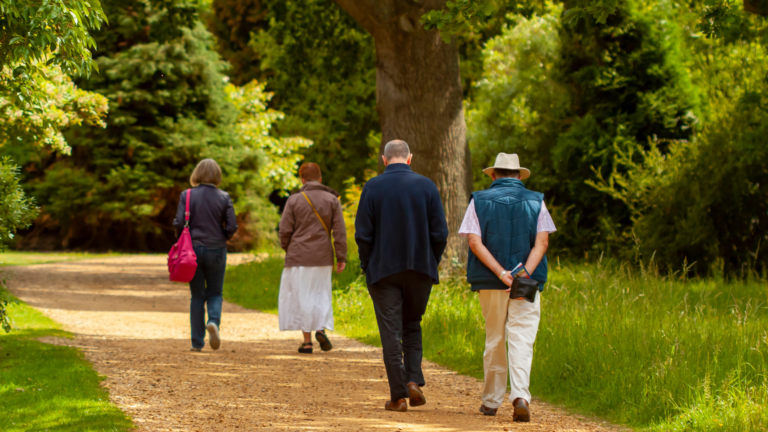
Walking is profoundly underrated as a form of exercise. Brisk walking for 30 minutes most days improves cardiovascular health, supports bone density, enhances mood, and reduces the risk of chronic disease. It’s low-impact, free, and sustainable.
Swimming and water-based exercise are excellent options for women with joint pain or arthritis because the water supports body weight while still providing meaningful resistance.
Sample Weekly Structure
- 2–3 days of strength training
- Daily walking (30+ minutes)
- 1–2 days of yoga, tai chi, or balance-focused work
- 1 day of swimming or low-impact cardio

The One Rule That Applies at Every Age
The best workout is the one you’ll actually do. Consistency over years matters infinitely more than intensity over weeks. Find movement you genuinely enjoy, train with people who motivate you, and build a routine that fits into your real life, not some idealized version of it.
You don’t stop exercising because you get old. You get old faster when you stop exercising. Move your body at every stage of life because it will carry you further than you think.
Your fitness needs evolve as you do, but that’s not a limitation! It’s an invitation to keep learning what your body is capable of. From building your foundation in your twenties to training for longevity in your sixties and beyond, movement is one of the greatest gifts you can give yourself at every age.